Article
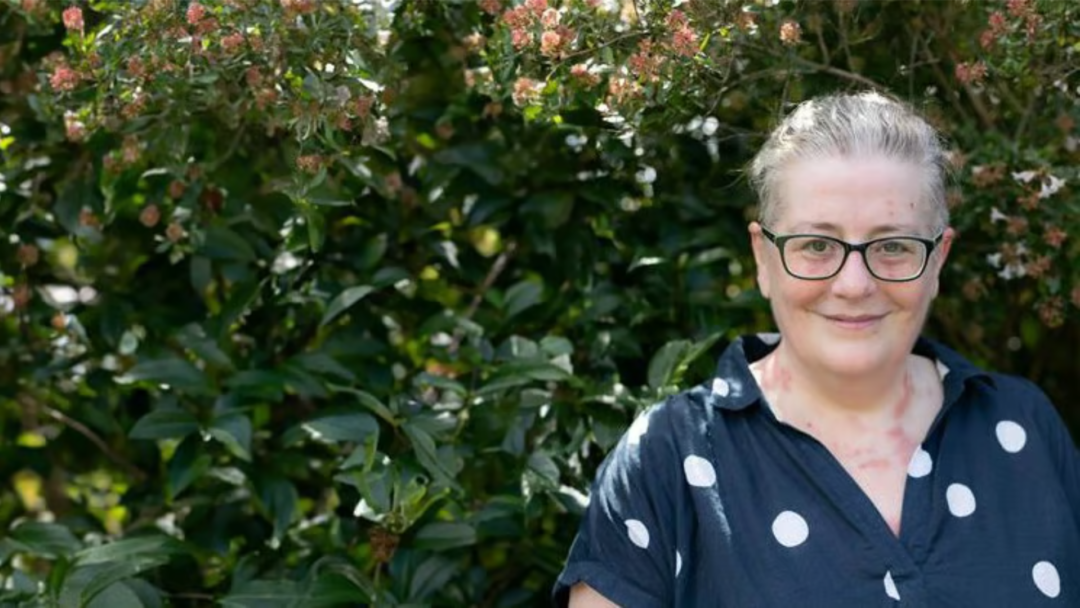
For a prominent disability advocate, the path to disability advocacy began not with a grand plan, but with a profound sense of longing for inclusion. El Gibbs sat down with Powerd to reflect on her journey from feeling isolated from the disability community to finding power in her political identity.
For Ms Gibbs, her adolescence and teen years were marked by systemic barriers to education and healthcare, leaving her questioning her purpose in life.
“I remember the 2000 Paralympics [and] feeling pretty awful about myself because I wasn't winning races or running around starting charities... I was just feeling…lonely and sick and in and out of hospital.”
Ms Gibbs believes the feeling of camaraderie within the disability community is something individuals have to learn over time, saying she felt very much alone until finding her place within the advocacy sector.
“I spent a long time not feeling like I really belonged in the disability community because I didn't see many people who looked like me or talked about the kinds of things that I was finding really challenging,” the advocate recalls.
After being told she would never be a journalist due to her disability and facing numerous workplace dismissals based on her appearance and access needs, she found a calling in the community sector.
“When I found the disability community as a political community, as a community of disabled people who were trying to make change, that certainly felt more like me than a fairly narrow representation of disability that I'd seen in the media,” Ms Gibbs explains.
The community advocacy sector provided the flexibility necessary for her to thrive even during periods of extreme illness.
As the former CEO of Disability Advocacy Network Australia, the advocate says that disability leadership is not about copying ordinary standards, but rather thinking about inclusivity within the workplace in order to support people with a variety of access needs.
Disability leadership... doesn't mean just doing what non-disabled people do…it means thinking about things differently, trying to build an organisation that works…to support people with disability to work in a way that truly is flexible.
El Gibbs, writer and disability activist
While self-advocacy is vital for understanding a person’s individual rights, the advocate argues that the systemic exclusion cannot be solved by individuals alone.
“We can’t fix it one complaint at a time. We are not even really at that point where the basics are being met…I've certainly made my fair share of human rights complaints particularly about employment and transport,” Ms Gibbs says. “The lack of services that we have is causing all of these other knock on problems and much more expensive crisis systems that are expensive to fund.”
A central theme of her advocacy is a call for a national Human Rights Act and a more robust Disability Discrimination Act that empowers the Human Rights Commission to tackle widespread discrimination.
“As disabled people... we have the right to be services, the right to be treated fairly and the right to be free for discrimination. We need to get the Disability Discrimination Act working better with more resources for the Human Rights Commission to be able to take action on systemic issues,” Ms Gibbs argues.
Ultimately, she believes the greatest strength of the disability community is its capacity to work together.
Our power is working together…Access becomes something we do because we want to include each other... everyone has a unique set of access needs because to be part of community and that doing that is joy and a pleasure.
El Gibbs, writer and disability activist
“I’m not finished yet,” she says, reflecting on her advocacy. “There’s more to do.”