Article
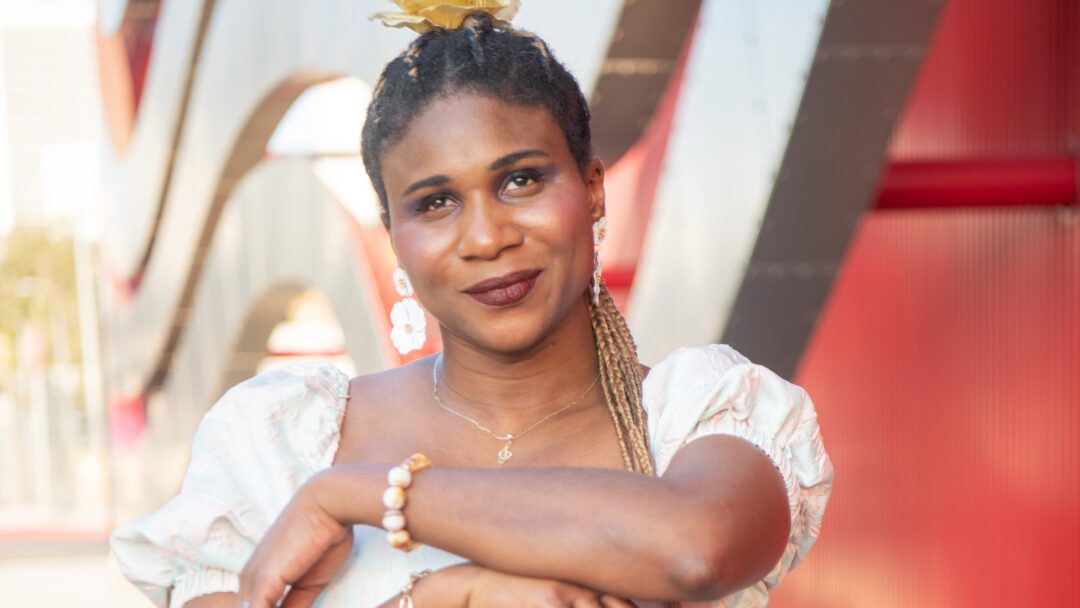
Recording artist, advocate, and founder and CEO of RAMPD, Lachi has built a career that spans music, advocacy and leadership. Throughout it all, she has remained focused on changing how disability is understood, both within the music industry and beyond.
Born into a large Nigerian immigrant family, Lachi was born with Coloboma of the retina and is legally blind. Looking back on her childhood, she says her mother initially searched everywhere for a cure before eventually deciding to focus on helping her daughter thrive.
"They noticed that I had music talents early," Lachi says.
Rather than treating her differently, her family encouraged everyone to support her while expecting the same things they would of anyone else.
Despite that support, Lachi says growing up was difficult. She was shy throughout school and struggled with the lack of disabled role models.
I didn't want to use a cane because I didn't see somebody using a cane that looked cool... I always wanted to do something in music and entertainment, but I'd look at the TV, I'd listen to the radio, and it seemed so far away.
Lachi
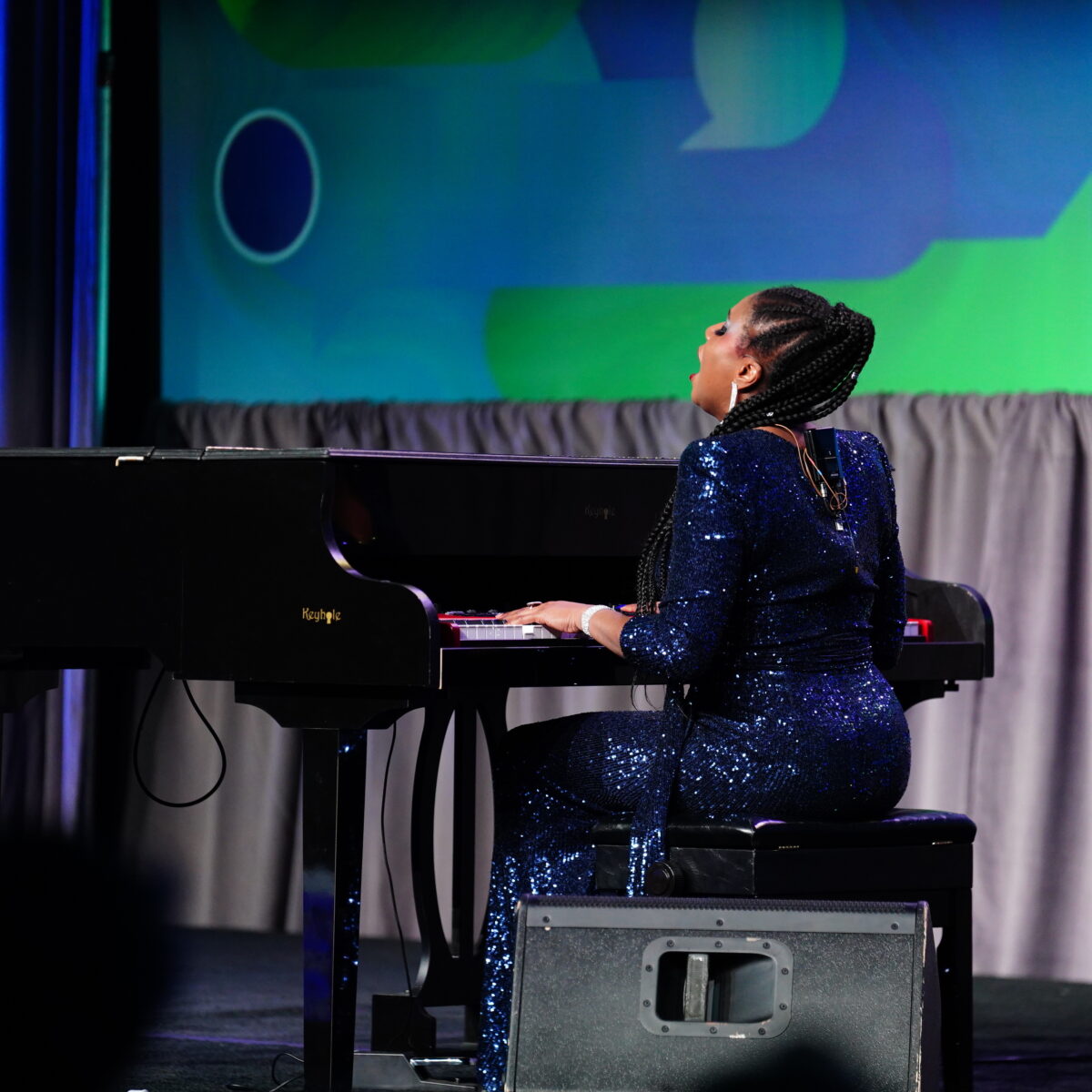
Music became her way of making sense of the world. She says she often turned to the piano to express herself and understand what she was feeling.
One of the moments that helped change her confidence came during high school, when she was selected to perform at a talent show despite believing she would never make it through the audition. Performing a song about feeling like she didn't belong, she remembers hearing the audience cheer at the end.
That experience would eventually lead towards a professional music career, including an opportunity to perform at South by Southwest, where she was discovered by a label executive.
While signing a major label deal appeared to be the breakthrough she had dreamed of, it also brought unexpected challenges.
Lachi says the label promoted her primarily around disability rather than the music itself.
I wanted the talent to lead... Today I say I'm a blind musician from a place of power. When they were saying it, they were saying it from a place of charity.
Lachi
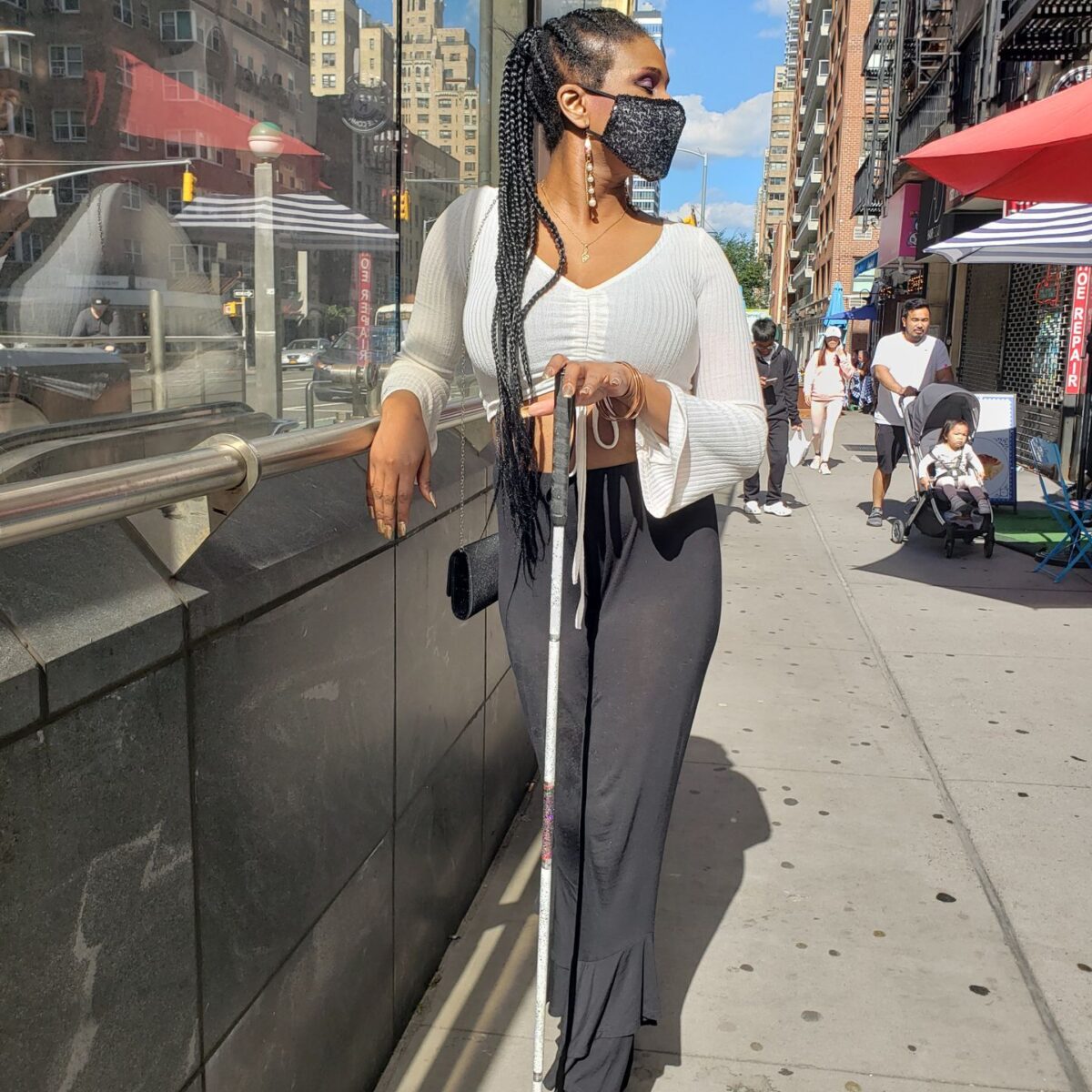
After leaving the label, she spent several years unable to release her own music. Instead, she worked behind the scenes writing songs, producing and recording for other artists without receiving public recognition. Looking back, she says those years helped her become a stronger producer and musician.
Another turning point came when she stopped trying to hide her disability.
For years she masked her blindness, but eventually realised that asking for accommodations allowed her to do her best work.
The moment I got accommodated, I was able to soar
Lachi
That belief has become central to both her music and her advocacy. Her latest album, Magnificent, celebrates disability and community from what she describes as a place of joy rather than charity, grief or medicalisation.
She has also brought that philosophy to RAMPD, the organisation she founded after hearing from dozens of music professionals with disability who all described feeling isolated within the industry. What began as conversations over Zoom has grown into a movement advocating for greater accessibility and inclusion.
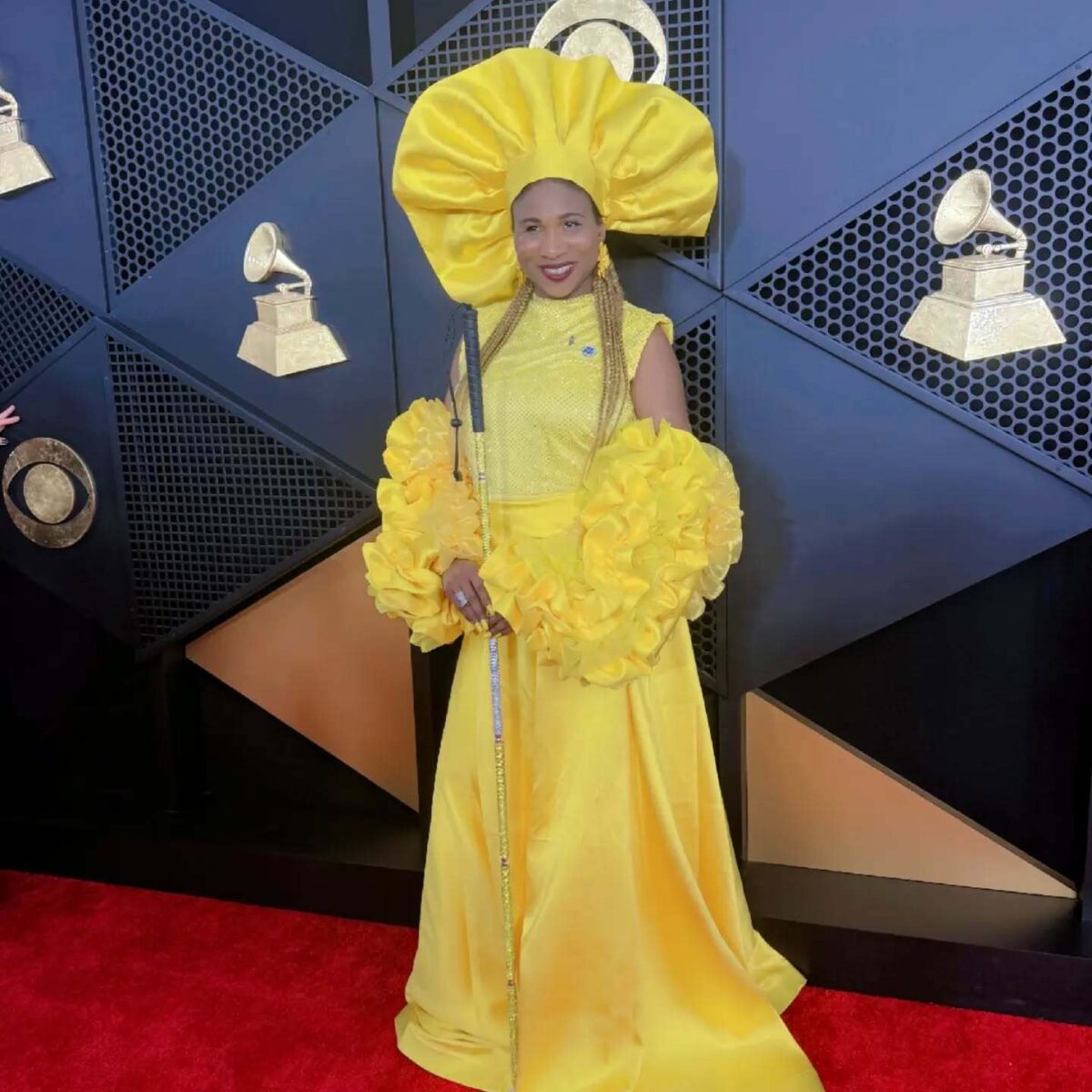
Since its founding in 2021, RAMPD has been championing recording artists that identify with disability, neurodiversity or other chronic conditions through mentorship programs and development opportunities. Most noteworthy they partnered with the Recording Academy to make the Grammy Awards more accessible with inclusions like helping push for a visible ramp to the stage, sign language on the red carpet and facilitating deaf media coverage and in-room ASL experiences.
When asked what she hopes people remember about her work, Lachi's answer is simple.
Joy, stylishness and liberation.
Lachi
For Lachi, those three words represent not only the impact she hopes to leave behind, but the future she wants to help create for the next generation of artists with disability.