Article
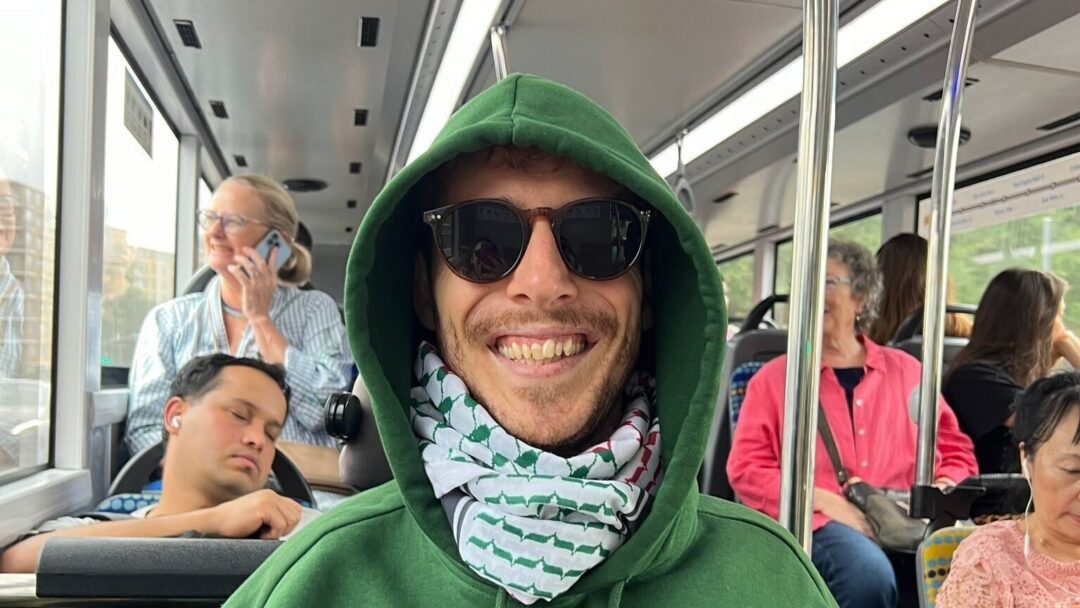
I was not always disabled. Seven years ago I was a martial artist, a climber, a triathlete in training, a man whose whole identity was built around what his body could do. On the 29th of March 2019 I landed on my neck during a wrestling session and my vertebrae compressed into my spinal cord. I became a quadriplegic that afternoon and have been one every day since.
What nobody tells you about after acquiring a severe disability is how long it takes before you even think about sex again. The early period is consumed by grief, by the loss of autonomy over the most basic functions of your own body. It wasn't until a catheter change gave me unexpected erections that curiosity returned. And with it, something that felt like hope.
I found my way to sex workers online through Scarlet Blue. People who had experience with disabled clients, who came to me, who made space for my body exactly as it was. That experience gave me the confidence to get on dating apps, to meet people, to explore what intimacy and sexuality could look like in this body. It changed my life. It made me feel like a whole person at a time when I was barely surviving.
This is why the 2024 decision to strip sex work from the NDIS was not just callous. It was dangerous. A Federal Court had already ruled in 2020 that sexual services were a reasonable and necessary support. The government did not appeal that ruling. They legislated around it. They used the words "pub test" to justify overriding a legal decision that recognised our right to intimacy, and used it as a platform to push further cuts and scapegoat spending on the most marginalised while funnelling billions into state terrorism through military expansion.
Disabled people are the demographic most likely to experience sexual violence in Australia. That rate compounds for women with disability, again for trans and gender diverse disabled people, and again for First Nations disabled people. Intersecting identities do not simply add risk. They multiply it. Safe, consensual, professional sexual access does not increase harm to disabled people. Isolation does. Shame does. Removal of options does.
Sex workers offered safety, education, consent, touch and dignity in your own home, on your own terms. That is not a luxury. That is healthcare.
The government's silence on the Disability Royal Commission's 222 recommendations, combined with the continued restructuring of the NDIS through the Future Generations Bill, tells us everything about how this government values disabled lives. We are used as an economic scapegoat while being dehumanised in their language and abandoned in their policy.
We deserve full lives.
That includes our sexuality, our intimacy and our right to access both safely.