News
Many within the disability community experience disadvantages across all areas of life, but advocates warn that the recently announced NDIS reforms fail to take into account those who experience intersectional disadvantages.
In a statement, First Peoples Disability Network Australia (FPDN) says the organisation is compelled to speak directly to what was missing from the NDIS Minister’s announcement - any meaningful engagement with the reality facing First Nations people with disability.
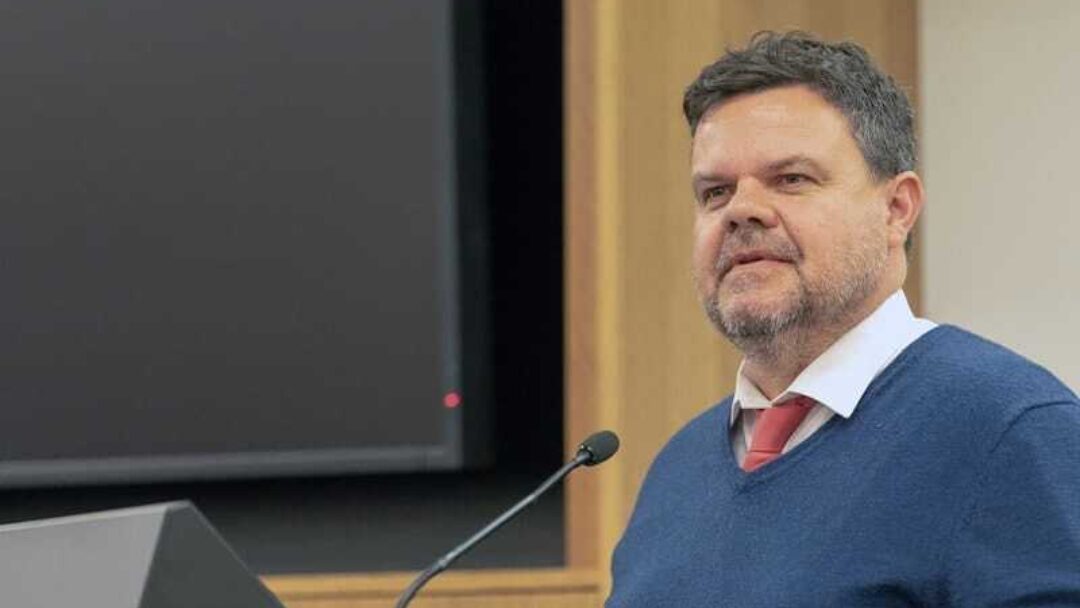
FPDN CEO and Worimi man, Damian Griffis, explains that for First Nations people with disability living in communities, many of the services simply do not exist in the first place.
The NDIS has always been harder to access for our mob. Harder to navigate. Harder to use. Now we face the prospect of 160,000 people being moved off the scheme through a process that hasn’t been designed with us, into services that don’t yet exist for us, assessed by a tool that hasn’t been validated for us.
Damian Griffis
What’s more, of the 183,700 Aboriginal and Torres Strait Islander people with disability, almost two-thirds need assistance with at least one activity of daily life, according to the Australian Bureau of Statistics (ABS).
The ABS also found that Identifying one of these attributes, let alone both, is influenced by a mix of cultural and social factors. One or more factors can influence an individual’s decision to disclose their First Nations status, and the degree to which they fully disclose their disability and its impact on their lives.
In an article posted by Achieve Australia, a disability support service provider, they explain the complexities of being a part of minority groups and experiencing an overlapping of barriers.
Intersectionality reveals how discrimination rarely occurs in isolation…a First Nations woman with a disability may encounter ableism, sexism, and racism simultaneously. Each layer compounds the challenges she faces and affects the kind of support she needs.
Achieve Australia
In a statement, the FPDN advocacy group outlined five key areas it claims are in need of immediate action including “ring-fenced” funding for Aboriginal Community Controlled Organisations in Foundational supports and Thriving Kids, cultural safety built into the new assessment tool, immediate establishment of the First Nations Disability Forum and a First Nations outcomes framework reported against Closing the Gap.
Mr Griffis states that the organisation is not asking the Government to stop reform but rather calling on them to get it right.
First Nations people with disability have waited long enough. We cannot afford to be an afterthought in changes that will define this scheme for a generation.
Damian Griffis