News
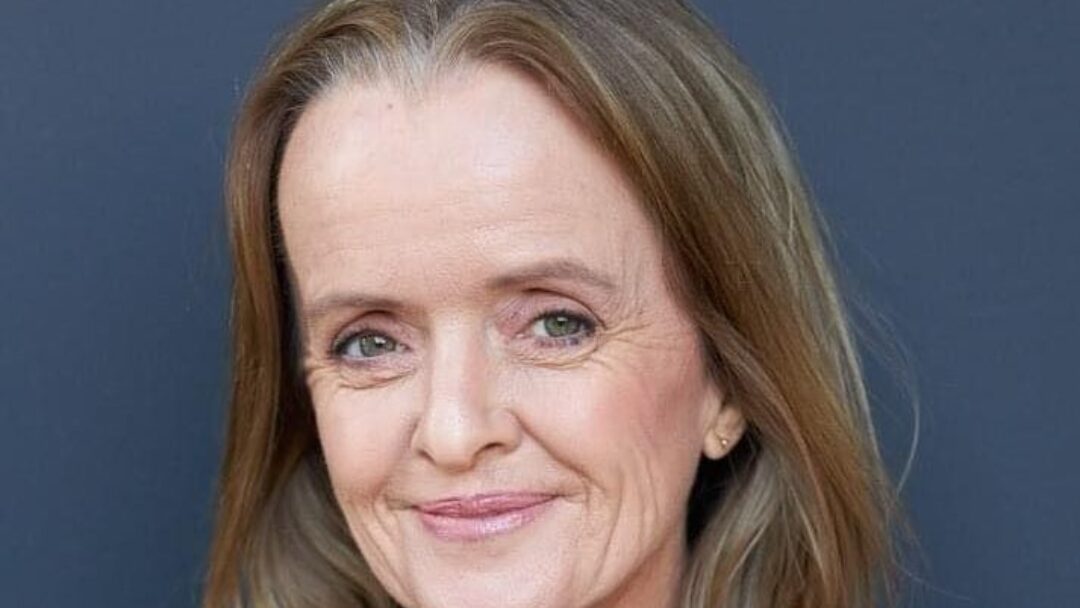
For many in the short-statured community, representation remains a significant challenge, but a prominent Australian performance artist and disability advocate is calling for a radical shift in how society views disability, specifically Dwarfism.
While performing in Europe with the inclusive company Harmonia, Leisa Prowd observed a striking difference in public reception compared to her home country of Australia. Despite poor physical accessibility in old European infrastructure, she noted that audiences were highly engaged, often selling out shows with waiting lists.
“People in Europe seem to be a lot more interested in different bodies doing different things in different places,” she recalls.
The advocate’s journey through the performing arts has been transformative, leading her from childhood ballet to professional roles on the international stage.
I always wanted to dance…right from when I was a little girl. Some of my favourite memories are of when I was five and my mom put me in a community ballet class, and I just absolutely loved it,” she recalls.
Leisa credits choreographer Yumi Omi Mare with revolutionising her perspective by helping her find a unique dance technique rooted in her own bodily experience rather than traditional movements.
“I found my own dance vocabulary that had nothing to do with beautiful form, but was everything to do with the dance that existed in my body, in my skin.”
Despite her artistic success, the dancer says she still faces harassment and “acceptable" social prejudice in the streets. Leisa details the horror of being routinely subjected to verbal and sexual harassment from both unsupervised children and grown men.
“It is not uncommon for groups of young people... [to] see us or come past our house...There are things that are yelled out to me in the street that are just awful. Absolutely horrendous.”
Quoting actor Peter Dinklage, she describes those with short stature as "the last bastions of acceptable social prejudice," noting that societal attitudes remain the biggest hurdle in her daily life.
"I think societal attitudes are the thing that affect my day to day life the most,” Leisa says.
She also highlights critical gaps in the Australian healthcare systems, noting a significant lack of adult clinics for those with bone dysplasia, leaving patients to fend for themselves once they transition from paediatric care.
“There is not a dedicated adult clinic. When you become an adult, it's like you're dropped out of the system and it's there's no transition period. And so you start off afresh…[but] the problems or the issues, they don't go away.”
In addition to this systemic setback, Leisa recalls several emotional challenges of her journey into motherhood.
Mothering has been the absolute joy of my life..[but] there have been some out there... who questioned our decision to have children, and that was very hurtful,” she says.
The world renowned performer explains how she faced challenging attitudes regarding her ability to care for a child, including offensive questions about how she would "control" a child who grew to be taller than her.
“If you have an average sized baby, how would you take care of it? Wouldn't it be funny when that child is bigger than you? How would you control them? ‘And I go, oh my goodness. Really?’”
For Leisa, she — much like most of the disability community— longs for a society where environments are proactively designed to be inclusive, ensuring that people with disabilities feel truly invited and capable of functioning independently.
“[Inclusion means] that I am welcome in a space, that I am not seen as an inconvenience just because a few little extra things has to be put in place, that those things are put in place already so that the doors are open and I get that sense of you are welcome here.