News
Reforms to NDIS challenging for Australians with disabilities
Former Prime Minister Julia Gillard implemented the NDIS as a way to support Australians with a disability, but now the scheme is likely to change.
The implementation of reforms to the NDIS is controversial with adding Foundational Supports outside the scheme and stricter definitions of funded supports.
The Commission found frustrating how discrimination is affecting Australians with disabilities and say it needs to change.
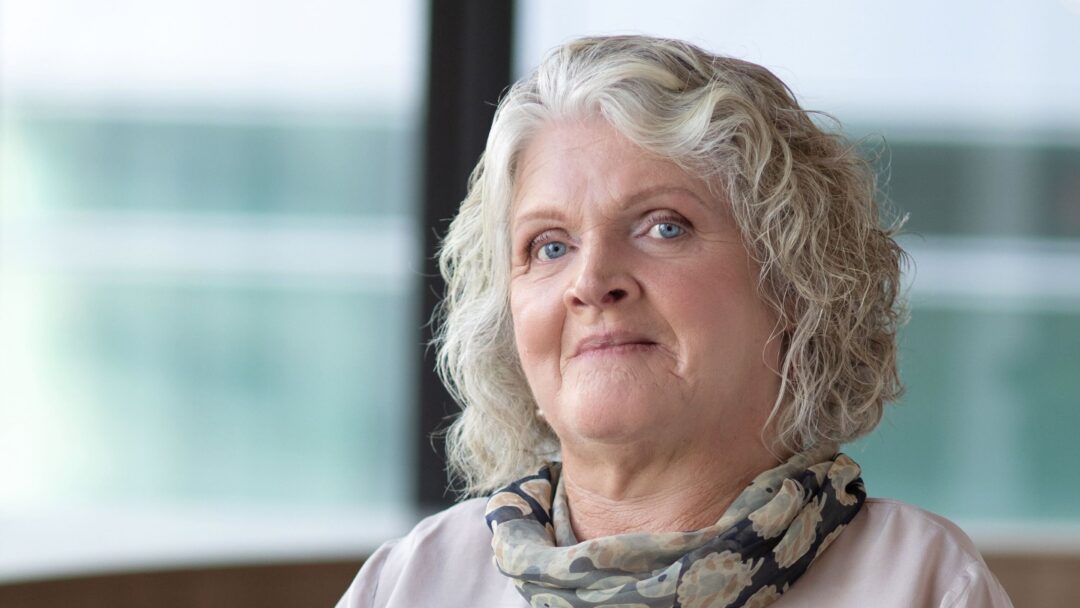
The Wire's contributor from 1RPH Sarah Guise spoke with the Disability Commissioner at the Australian Human Rights Commission Rosemary Kayess.
I think everyone thought that the NDIS would solve all the problems. I don't think they really much of the general population, especially the political classes, didn't understand specifically what the NDIS was to do.
Rosemary Kayess
Transcript of interview:
Rosemary Kayess 0:00
Frustrating is most probably the best word. We seem to have got to a point like we don't be able to seem to take the next step. Education is becoming a real topic of tension. Disability discrimination cases the most. In fact, they represent half of the complaints that we receive at the commission so there's a frustration with the system still not being accessible. We've had the DDA for 30, nearly 35 years, and the NDIS has been in place for a proportion of the disability population, but there hasn't been the work on the critique of the system and where we need to move to be a more inclusive society. So we've achieved so much, and we're just not progressing any further.
Sarah Guise 0:54
Do you think there are any particular barriers or challenges that you'd highlight for what's driving that?
Rosemary Kayess 1:02
I think everyone thought that the NDIS would solve all the problems. I don't think they really much of the general population, especially the political classes, didn't understand specifically what the NDIS was to do and what work was required around the NDIS. Think that's why all the states just handed over disability and nearly wiped their hands clean and ran off in the opposite direction, and it left the NDIS to do all the heavy lifting. Well, they've now found that that's a very expensive gig, and what hasn't been happening is all that mainstream change that needs to happen
Sarah Guise 1:45
is education, the area that you see the most complaints to the Commission in
Rosemary Kayess 1:51
education and employment. But again, that's the underlying systems. Aviation is another big area. I mean, I think the assumption that people with disability Don't, don't go places, and don't have to be places. And, I mean, yeah, it's obviously a personal bug bearer of mine, because I do such so much international travel, and there's many aspects of my current job that requires me to travel, and it's very difficult. It's very, very difficult, and there's not a lot of alternatives that are functional. Yeah, we have no high speed rail.
Sarah Guise 2:30
Does the Disability Discrimination Act need reform? Is that just a function of it being so old? Or what's your view on
Rosemary Kayess 2:37
that discrimination law has evolved over the years? I mean, traditionally, discrimination law was seen as one of essentially non intervention by states where you you didn't want them to put discriminatory legislation in place. But then it became obvious, then, you know, people started to notice that there were practices that weren't overt one on one discrimination, and not letting acts of discrimination like excluding people from public places like Pums and clubs and schools and just excluding them on their personal characteristics, and that people could be excluded Through practices and so indirect discrimination. The recognition of indirect discrimination became much more prominent and more well understood and see what we're learning now is that, you know, the DDA has been, again, been trying to do all the heavy lifting, trying to identify those areas and address those areas where people were being excluded, because the system just doesn't include the breadth of the human condition. And so what happens is, you've got a system where the onus is on the person with a disability to take on the system, and it's a heavy
Sarah Guise 3:59
load, given those barriers to being able to use the act, do you have any sense of what's not coming to the commission, of what sorts of things are being excluded
Rosemary Kayess 4:12
we don't get? I mean, the data, goods and services is a pretty big area. Goods and services is a very big area in terms of cases that get listed Transport's always a big one, but then that gets broken down into rideshare, taxis, you know, trains, planes. So because of the separation of the powers within commission, I'm not involved in any of the individual complaints handling processes. Though, I do see some of the data after the event, but some of the data doesn't get as granular to understand what the big area of goods and services covers.