News
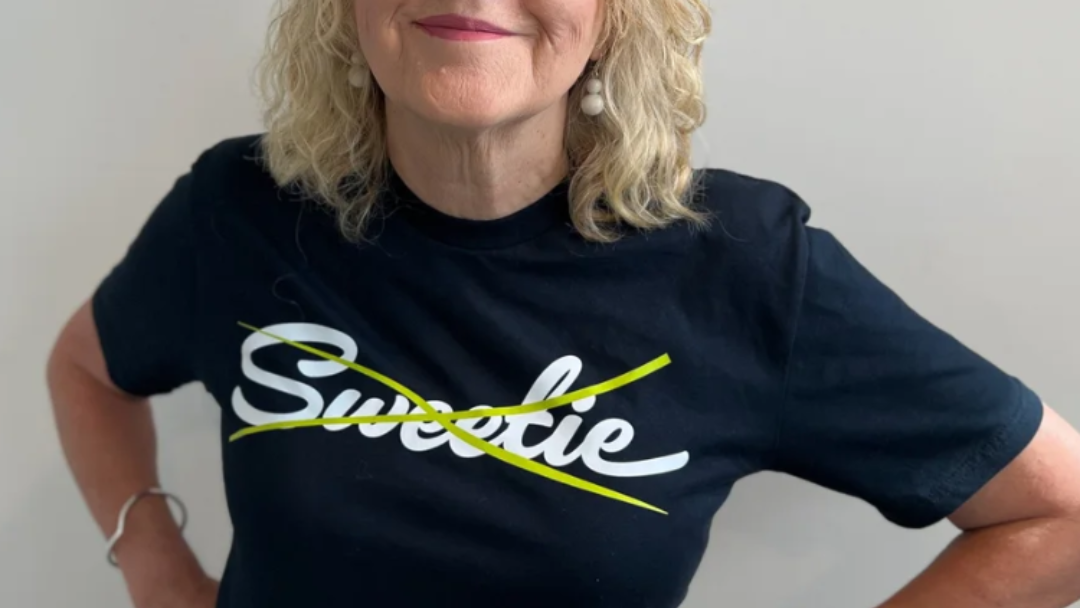
For many Australians within the disability community, the use of condescending and patronising language towards individuals with disability is a daily occurrence, but a new awareness campaign could change things.
Called ‘No Sweetie’, the campaign grew out of Tenant Voice - a project funded by the NDIA to prioritise the experiences of residents living in Specialist Disability Accommodation (SDA) - to challenge how support providers patronise and infantilise people with disability by using endearments that may sound benign, but can actually cause a great deal of harm.
Powerd media spoke with Tenant Voice Project Manager, Lee Archer, who says the ‘No Sweetie’ campaign aims to call out language that diminishes the autonomy and adulthood of disability support recipients.
We hear from the tenants ... [that] they cop a whole lot of dodgy language like sweetie, love, darling, honey, bro, pal, babe. And it happens constantly,” she says. “Every person knows when you receive a term of endearment whether it's right…we also know… immediately when it doesn't represent a mutual, respectful relationship. And yet, in disability, it happens all the time.”
Lee Archer
The project manager explains that support providers who refer to their client using these terminologies are establishing and reinforcing power dynamics, which can often further isolate the individual.
"That person who's providing the services wouldn't call their CEO sweetie ...... and yet service workers feel completely confident to use that towards somebody who's actually their employer.”
It diminishes your independence...it tells you that people are expecting you to not be an independent adult, to be more childlike…That’s where abuse and neglect thrive because you're othering people with a disability, you're not seeing the person as human
Lee Archer
The campaign is using educational tools such as the Sweetie Bingo card to help people with disabilities record and quantify their daily encounters with patronising language. Ms Archer claims that by approaching the topic in a lighthearted way, it allows participants to act as "citizen scientists" by collecting data on how frequent and constant these interactions are.
"We are doing it with a bit of a light-hearted touch about how you change the conversation ... it's an invitation to actually start thinking about that language,” she says.
"We would love it to be a real thing, that we can actually start this movement of making sure that people with the disability experience life as full autonomous citizens.”
If you would like to know more click here.