News
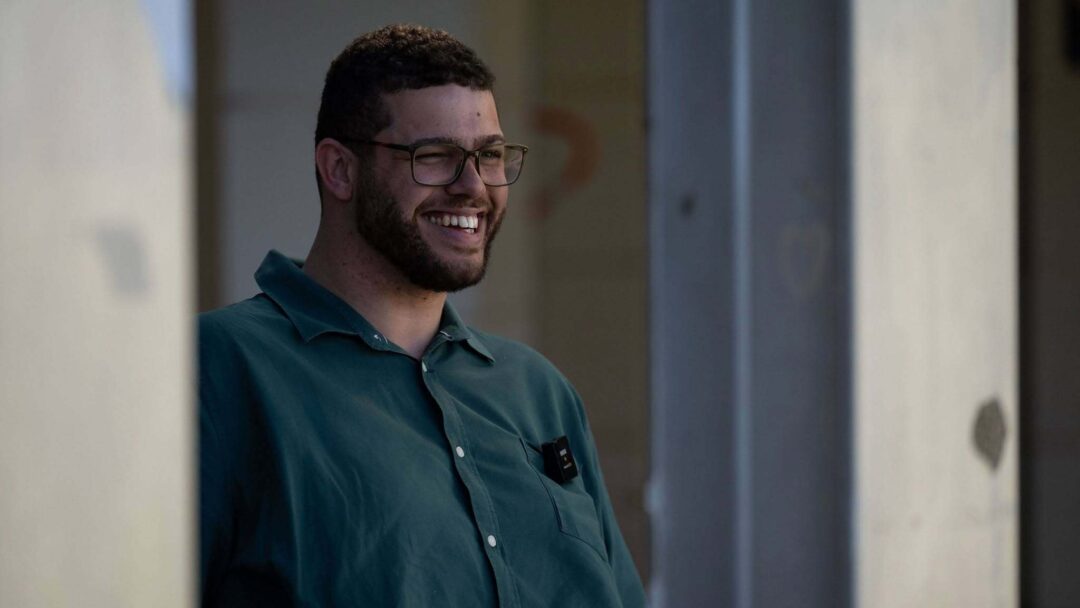
Greens Senator Jordon Steele-John made history as the youngest person elected at the time and the first with a physical disability. Powerd sat down with the Greens MP to find out more about the disability advocate.
Growing up in Western Australia, Mr Steele-John’s childhood consisted of a "broken" service system in which he experienced the stress of watching their parents navigate healthcare and mental health support. He recalls the indignity of having to justify basic needs like wheelchairs or walking frames.
"It always felt like you were coming up against a system that focused on gatekeeping of resources rather than flagging unmet need," the Senator says.
These early challenges, combined with a sense of social justice instilled by his mother—a long-time social worker—formed the foundation of Mr Steele-John’s political identity and drive.
“My family always made sure that I knew that I was loved and valued and fundamentally enough. They made sure that if ever there was a thought in my mind that I was broken or lesser or any of that, they’d support me to…move from a space of internalised ableism to one of confidence in my identity and my sense of self.”
Despite being elected to represent the people, the WA Greens Senator explains that the inaccessibility of Parliament House remains a barrier.
“It is really important that Australia's parliament and it's parliamentary systems are accessible and inclusive for everyone…and that is not the case yet. My experience as an MP in this role has been a couple of moves forward. It took about eight months to build an office that was accessible to me.”
The Senator highlighted the findings of a 2025 review into the accessibility of the building—which Mr Steele-John claims the government initially tried to suppress.
“What it showed was people…visiting, working, playing their roles, being put at really quite significant occupational health and safety risk by the inaccessibility of this building,” he explains. “That’s not good enough. We need to change that so that more disabled people can work here, can be elected to this space, can visit it [and] work within it.”
The Senator is currently sounding the alarm over the proposed changes to the National Disability Insurance Scheme (NDIS). He expresses deep concern over the government’s plan to reduce the scheme's growth by cutting participant funding instead of targeting NDIS providers.
“Fraud in the NDIS is a serious issue, but the Government has been too focused on targeting participants instead of the providers who are exploiting the Scheme for profit.”
On top of this, Mr Steele-John has also criticised the lack of a clear pathway for Foundational Supports, arguing that without consistency and quality regulation, the community cannot properly assess whether the new measures will meet their needs.
“My position is that of course there should be services and supports for disabled people that are in place beyond the NDIS. Nobody's ever argued that is a bad idea, [but] they must actually meet community need rather than political expediency,” he stresses.
Beyond the NDIS, Mr Steele-John explains how the lack of inclusion in emergency planning makes climate change a specific threat to the disability community.
“Our emergency service systems so often let us down. So often think of us last and therefore put us at higher risk. It is past a joke now. We've gotta get to work.”
Now, the Senator is calling for a radical overhaul of how the Australian government interacts with the disability community.
Drawing on a lifetime of lived experience, the Senator argues that Australia is returning to a "doing to" rather than "doing with" model of governance.
“Many disabled people are sharing with me that they are deeply frustrated that the consultation that they were promised is not being delivered…We are returning to an era where government does to people with disability rather than with disabled people.” "I find myself now in the space that either can fix them or break them more significantly... so let’s get to work fixing them," Mr Steele-John says.