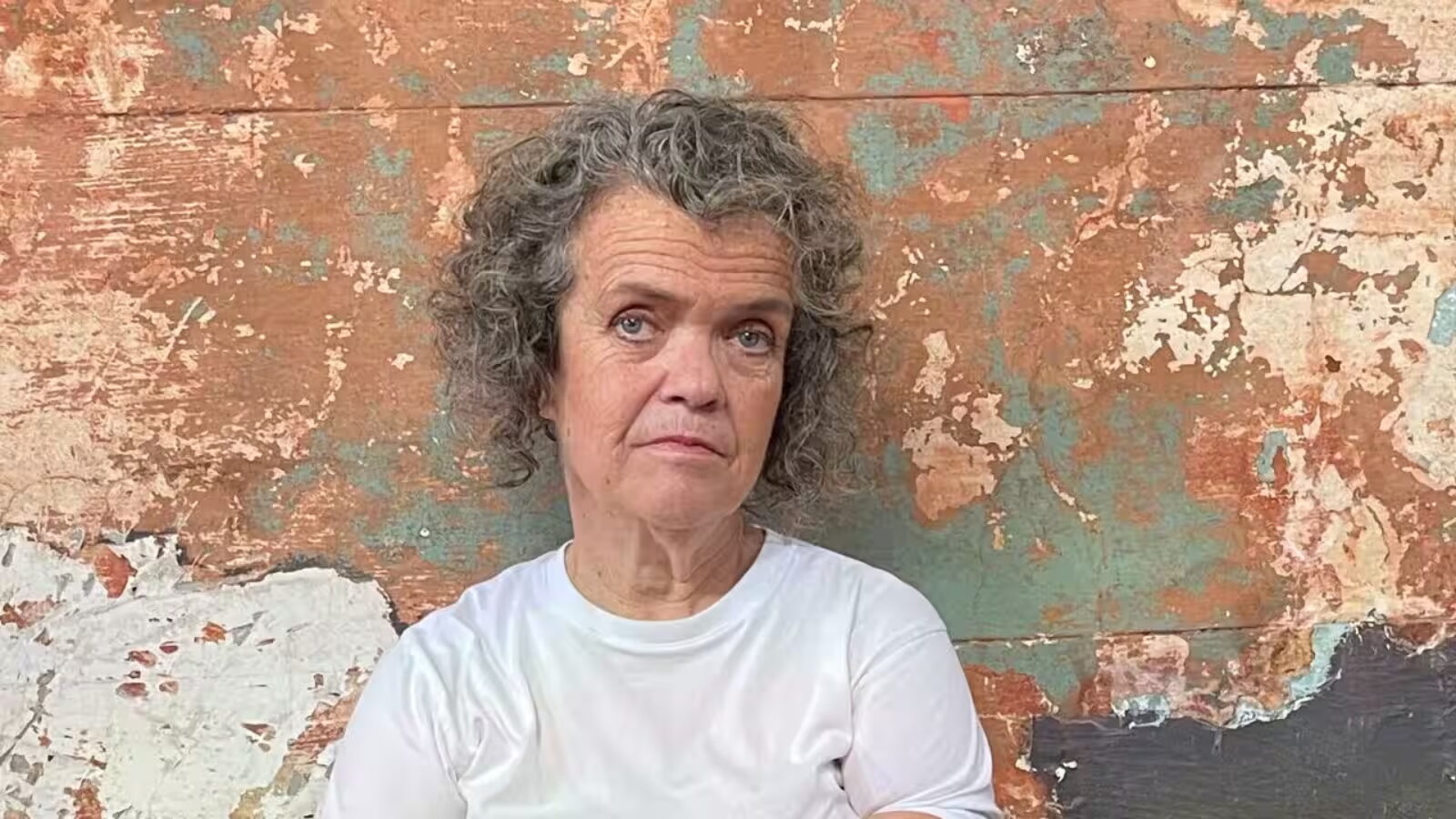
Anthea:This is Anthea Williams on 2RPH with Sideshow. And today I'm joined by Debra Keenahan. Debra is a multidisciplinary artist, a psychologist, and a disability advocate. Debra, so thank you so much for joining us today.
Debra: Thank you, Anthea. Thank you for inviting me on the show.
Anthea: So Debra has not one, but two doctorates. She has a doctorate in psychology through the University of Wollongong and Oxford University, and she has a doctorate in visual arts through UNSW. But I wanna start off with your doctorate in psychology. You looked at dehumanization?
Debra: Yes. Yes, I did. And uh, what started me off on that journey was two things, actually. The first was when I was eight years of age, my parents took me on a trip around the world. And on that trip we visited South Africa, in the height of Apartheid.
Anthea: Wow
Debra :I was eight years old. Uh, Nelson Mandela was in prison. And, um, it was scary. It was sad. Um, and I can remember being on a bus with my parents and another bus pulled up beside us. And, uh, this bus was blacks only. And I can remember looking at all the people in the bus and thinking they looked sad. And I then visited, uh, South Africa again in 1996, when Nelson Mandela was actually president.
Anthea: Yeah.
Debra: But on that occasion, I actually got to stand in his cell that he'd occupied for nearly 25 years. And, uh, that was, you know, quite, um, humbling.
Anthea: Wow
Debra: But, so that was the first thing that really struck me. Um, 'cause I thought, "This isn't right." I was only eight and it, it just wasn't right
Anthea: Yeah.
Debra: And then when I was 17, I went to a cricket match at the SCG with Australia and the West Indies, and there was a young family behind us, uh, two boys and the father. And anyway, this was in the day of Viv Richards and Clive Lloyd, so, who obliterated everybody. The West Indies just obliterated everybody. So of course they were winning. (Laughs) What else were they going to do?
Anthea:Mm
Debra: But as it went on, these children became more and more vocal, more and more emotional, and it was just horrible. I turned around and the looks on their faces, it was just pure hatred. It really was. It was pure hatred. And I thought, "If they could get within touching distance of a West Indian, they would've performed violence."
Anthea: Wow
Debra: And I thought, "This is a cricket match. This doesn't make sense." And so that, that started that journey o- of, of going into psychology. But my own personal lived experience, (laughs), I know you are aware, but the, uh-
Anthea: It's not a-
Debra: ... audience-
Anthea: ... visual medium, so you can explain, (laughs), for the audience. Yeah.
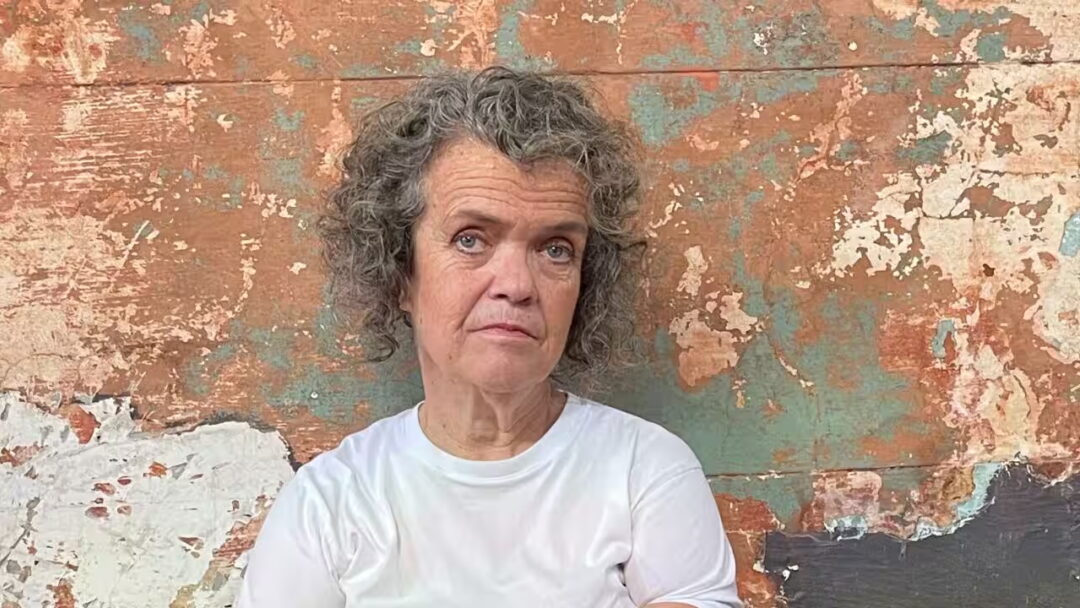
Debra: Yes. Yes. That I have achondroplasia dwarfism. So I look decidedly different from
Anthea: Mm
Debra: ... the average person. Um, and that has meant that I have, uh, received being the target of sometimes really nasty behavior and discriminatory behavior. And it doesn't make sense to me. I do not understand why people treat other people as less than human when they- they're doing nothing other than existing, and that's all they're doing, existing, and people have an issue with that. Uh, and so that became my motivation for understanding why, how this happens.
Anthea: And do you understand now that you have a [inaudible 00:04:29]?
Debra: I think so
Anthea: Okay.
Debra: I think so. But it's, it's extremely complex.
Anthea: Yep
Debra: Extremely complex. It's never just one thing. And, um, to address it, you have to do a multiplicity of things simultaneously.
Anthea: Mm-hmm
Debra: And so what ends up happening is that you chip away, chip away, chip away, chip away. And sometimes what happens, it's two steps forward, one step back, two steps forward, one step back. Um-
Anthea: And so what causes it? Just give, I know we've got very, a very small amount of time, but can you give us the highlights of what cause [inaudible 00:05:09]-
Debra: Okay. I think a lot-
Anthea: ... [inaudible 00:05:10]?
Debra: ... of it has to do with the perception of there to be a, a desire or a need for hierarchies-
Anthea: Mm.
Debra: within the social structure. Now, and it's interesting because what a lot of people go, "Oh, but that's only natural." No, it's not. No, it's not. Simply because all you have to do, according to the philosophy of science, is if you have a hypothesis or a, a theory is all you have to do is find evidence of the opposite to prove that the theory is wrong.
Anthea: Mm
Debra: Okay? So if you say, all swans are white, all you have to do is find one black swan. Lo and behold, the theory is wrong.
Anthea: Yeah.
Debra: And the fact of the matter is not all societies are hierarchical, and so therefore, no, hierarchies, human hierarchies are not-
Anthea: No.
Debra: natural.
Anthea: They're not natural and they're not innate.
Debra: Yeah. No. No.
Anthea: Mm. And how do you chip away at dehumanization?
Debra: Oh, again, a multiplicity of things, which, and that's where in many ways, the, uh, second PhD came in.
Anthea: Okay.
Debra: Cause a lot of it has to do with representation. What, like in the disability culture, you'll often hear the saying, you can't be what you don't see.
Anthea: Yep.
Debra: Yeah. And so representation is incredibly important and how people are represented. Uh, and for me, this is what started, because I looked around and I went, "Well, you actually don't see people with dwarfism much in the visual arts, beyond stereotypical representation."
Anthea: Mm.
Debra: So that's where my second PhD started, because I thought, "Yeah, we are going to chip away at this." And so, yeah, I entered the visual arts, I looked at, uh, disability aesthetics, and I said, "Okay, I'm going to approach this from the perspective of the social model."
Anthea: Mm-hmm.
Debra: Because disability aesthetics talks about, or just the visual representation of, uh, disability from the point of view, almost of a, a 2D perspective. So saying, "Okay, we need more photographs. We may need more paintings." Et cetera, et cetera. Whereas I said, what we actually need is to not capture the physical differences, but capture the interface between the person with the difference and how society responds to them, or what society does to oppress them. That's what needs representation to get the, what I refer to as the critical or relational disability aesthetics.
Anthea: And how does that manifest in your work?
Debra: Ah, well, um, I think you're aware, we'll take for example, the first work that I did in the, in the PhD was a series of photographs. And what I did, uh, my husband is a professional photographer, uh, who has actually decades of experience doing street photography. So he is fully aware of the ethics around that, that practice. And what we did was go to Circular Quay
Anthea: Mm-hmm.
Debra: ... right? And literally, all I did was two series of 15 minutes of just walking through crowds. And he captured the crowd responses to me. And sometimes you would get real visceral responses. We had, I mean we got one guy who just literally-
Anthea: Just for the people-
Debra: Yeah
Anthea: ... who are not on video with us-
Debra: Oh.
Anthea: Debra's looking down her nose at me on this, uh, through the camera-
Debra: Yes.
Anthea: ... here. But
Debra: Yes?
Anthea: ... you, what you are kind of showing me is a series of grimaces, judgments.
Debra: Yes.
Anthea: Uh, we are not seeing smiling faces, we are not even seeing neutral-
Debra: No.
Anthea: ... faces.
Debra: No. No. No. Not at all. Not at all. And, um, so that was the first work. And then the second work was, uh, a sculpture. Uh, it was a 3D print sculpture. And it was, well, I called it, um, Little-Big Woman Condescension. Because it was actually, it was, it is, it's, (laughs), still in existence, three figures of me joined together so that the person viewing the sculpture needs to, in walking around the sculpture, the three figures adopt the people with the Dwarfism would be very familiar with, all too often we're spoken to like children.
Anthea: Yeah.
Debra: So we're spoken down to, and people literally take that stance with us. They bend down, put their hands on their knees, and do that, "Really? Ah."
Anthea: Yeah. That [inaudible 00:10:43]-
Debra: Kind of-
Anthea: ... look.
Debra: ... "Ah, aren't you lovely." And the, in walking around the sculpture, somebody of average height, actually they are, the sculpture is in constant eye contact with them.
Anthea: Mm.
Debra: So, but they, the sculpture is looking at them the same way that people with dwarfism often get looked at.
Anthea: Because the sculpture is also on quite a high [inaudible 00:11:13].
Debra: Yes. Yes, it is. The sculpture is at a very high, uh, on a very high plinth. And so the eyes, uh, we worked it out the eyes, and each of the, uh, figures is actually slightly different.
Anthea: Mm.
Debra: So they're slightly different heights, and they're around about, the eyes are about 150 centimeters from the, from the floor. Yeah.
Anthea: Yeah.
Debra: Some, one, one is a little lower than that one's higher. But, um, yeah, about you'd say 150
Anthea: Yeah.
Debra: On average. Mm.
Anthea: And what were audience's reactions to this when it's been shown?
Debra: Oh, that, the, it would, they were highly favorable, but as they said, it was, 'cause some people did describe it slightly disturbing.
Anthea: Yeah, I can imagine.
Debra: Because they were actually being looked at by the sculpture, and, um, and other people said, "Got it."
Anthea: Yeah.
Debra: "Understood. Got it."
Anthea: Yeah. So I love that you're really interested in, through your visual art you're not just looking at what are we looking at? You are looking at how are people looking at other people.
Debra: Exactly.
Anthea: Yeah.
Debra: Exactly. It's a, it's a dynamic.
Anthea: Mm.
Debra: The viewer has a relationship with the artwork, and that is important. And I, I love that that playing with that, the viewer being viewed, I, I really enjoy that, that dynamic, playing with that dynamic. And, uh, because all too often art is seen as a, a passive experience, you just look at it, you don't interact with it. But I actually believe that viewers do interact-
Anthea: Mm.
Debra: ... with the artwork. And so that's what I, I like to experiment with.
Anthea: And I also, I don't think I've ever met really any artist in any f- art form who doesn't want to affect change.
Debra: Mm-hmm.
Anthea: You know-
Debra: Mm.
Anthea: ... um, television, one of my favorite television makers, um, Jack Thorne refers to television as being the empathy box that sits in everyone's household. And, you know, that is our most kind of everyday form of art form. And even the writers of that are talking about how they want to create understanding between people.
Debra: Mm. Yes. I would, I would hope so. I really would hope so. Otherwise, what are they doing it for?
Anthea: Yeah. So you have-
Debra: Mm.
Anthea: ... these two amazing PhDs.
Debra: Mm.
Anthea: What do, what have you done with your work? 'Cause I know that you've worked as a lecturer and a professor, tell me what you've done with these amazing PhDs.
Debra: Ah, well, oh golly, gosh. Um, I have published, I do have a number of, um, book chapters and papers. And, um, I'm currently in discussion with Bloomsbury about, um, writing a book on relational disability aesthetics.
Anthea: Mm-hmm.
Debra: Which, um, I'm very interested in doing. But, uh, what I have done is gone on and done more art. But, and, and with my th- thinking ideas and philosophy being the foundation of those works. I mean, for me, the joy of art is that it connects people.
Anthea: Yeah.
Debra: And it connects a broad range of people. And it's fun doing it. I mean, it can be stressful. (Laughs).
Anthea: Yeah.
Debra: But it's fun.
Anthea: Yeah.
Debra: It's fun. In the long run, it's fun.
Anthea: You said one of the most perverse things to me once you said, "Oh, once you've done your first Ph- PhD, the second one is easy." (Laughs).
Debra: Well, it's easier. Yes. Yeah. I mean, you've, you've done it, you've done it once, so you know what's ahead of you, you know? So you already half prepared. So you know, you're going to have all this confirmation of candidature, you know what that entails, you know, you know the process. Like you have said to me umpteenth times recently, it's the process.
Anthea: Yeah
Debra: And it's learning the process. You know the process. It doesn't mean you can shortcut the process. You can't.
Anthea: No.
Debra: You can't.
Anthea: No.
Debra: You can't shortcut it. But in knowing what's ahead of you, that at least eases the pain a little bit.
Anthea: So how long was the gap between your two PhDs?
Debra: Oh, that was a fair bit.
Anthea: Right. So what were you-
Debra: That was a fair bit
Anthea: ... doing in between?
Debra: Oh, well, uh, what was I doing in between? Predominantly I was teaching on, uh, on the subject of inequality and human rights.
Anthea: Right.
Debra: Which was the application of the first PhD.
Anthea: Mm.
Debra: That's what I was doing predominantly. And then I started my art studies in, uh, 2011. I completed the first PhD in 1990, and I started my art studies at, actually at a community art college.
Anthea: Oh, that's awesome.
Debra: Yeah. Yeah. Community art college. In 2011, I did a drawing course, and the teacher said to me, uh, because I do have the capacity to draw. (Laughs).
Anthea:Mm, I've seen you dr- I, I will, um... For all the listeners, (laughs), in the show notes, I will put Debra's website. And, uh, there's beautiful drawings that Debra has done on, on that website.
Debra: Thank you. Thank you. Um, but the teacher said to me, "Look, you actually do have a capacity here. Just, you know, why don't you see if you can go further?" And so I then went to Julian Ashton's. Right? Australia's longest art, uh, college or art institution. And, um, then I went to National Art School, but I wanted to do something academic.
Anthea: Yeah.
Debra: Which is, (laughs)...
Anthea: Yeah.
Debra: now really critical to go, "Now I've gotta, I've gotta do change here."
Anthea: Yeah.
Debra: "I've gotta really, I've gotta do change." And so that was when I looked at UNSW, because they had, um, you know, an art, uh, well, Australia's leading art course, and it was just sort of like up the road from the National Art School, so, you know, and I, I got in at master's level, and having, (laughs), no undergraduate art degree, simply because I already, (laughs), had the PhD. So it's kind of like, "Well, you can't argue much, can you?" (Laughs)
Anthea: Yeah.
Debra: So I got in a master's level, and then, uh, after, it was a little under 12 months, my supervisor said, "Look, I think you need to up to a PhD, really." Which I did. And then I was supervised by professor, uh, Jill Bennett, who is the head of the Big Anxiety Research Centre. And, um, she got me, uh, she was very excited about this whole concept of the representation of the social model of-
Anthea: Yes.
Debra: ... disability. So, um, she got me doing Awkward Conversations, which was a street performance work. And then Being Debra, which was a VR work. And from, from there I went on and did a short film, uh, Little Things Matter. And, uh, from there went, uh, and did Smashing and then moved into theater. [inaudible 00:19:32]-
Anthea: And I've seen-
Debra: ... 'cause... Yeah.
Anthea: Um, I've seen Little Things Matter. Uh, you're very willing to tell personal stories, which I find really admirable. Will you tell our audience a little bit about your short film, Little Things Matter?
Debra: Uh, oh, golly gosh. Okay. Well, Little Things Matter is very much based on my lived experience, and it addresses some of the-
Anthea: Mm.
Debra: areas of discrimination that I have experienced, um, on the basis of how I can sometimes be treated in the street.
Anthea: Mm-hmm.
Debra: the insults I can cop on the street. Uh, the supposed jokes that, about dwarfism, that, um, a lot of people seem to find hilarious, but, you know, they, they wouldn't appreciate it if they were the brunt of the jokes. But anyway. But also treatment online, online bullying and treatment. And the whole notion of, um, how disabled women can treated when they're wanting a relationship. Online dating was a really bad experience for me.
Anthea: Yeah.
Debra: Don't go there. For me. For me.
Anthea: Mm.
Debra: I know that isn't everybody's experience, but it was for me. Um, and what is important, as you very well know, and yeah, for me, it's dignity.
Anthea: Yeah.
Debra:It's a person's dignity, and it's recognizing a person's dignity. But I would like to think that through my work, I encourage people to value their own dignity.
Anthea:I think you do. But I also think, when I think about Little Things Matter, you also, yes, you encourage people to, uh, to value their own dignity, but also you do such a beautiful job of expressing your own. In that work, you're wearing this amazing gold dress, and you're talking about some of the things that have been said to you.
Debra: Mm.
Anthea: And by putting them in a different frame, in this amazing filmic frame, this theatrical frame, it takes away the everydayness of these-
Debra Yes.
Anthea: ... crazy moments of dehumanization.
Debra: Mm. Yes. Yes. But it's also showing, showing us, and when I say us, you know, particularly women with dwarfism, in a way that we're never represented.
Anthea: Yeah
Debra: We're never represented glamorously, we're never represented as being the center of attention, for the right reasons.
Anthea: Yes. For the right reasons. That's a really important caveat.
Debra: Yes. Yeah. Yeah. Yes. Yeah. We're often the center of attention for the wrong reasons. Uh-
Anthea: Well, here's to being the center of attention for the right reasons.
Debra: Yes. (Laughs). Yeah.
Anthea: So what's next for you, Debra?
Debra: Oh, well, there are a couple of things. One, I have the book, also, uh, in discussions with another academic with dwarfism, a female over in England. And we're thinking of working together around how, uh, dwarfism is represented when it comes to medical interventions.
Anthea: Oh, wow. Okay
Debra: But I'm also interested, uh, art-wise, I'm interested in doing a work, uh, collaborating with, uh, another artist, using AI to bring some paintings to life, uh, on the representation of disability.
Anthea: That sounds remarkable.
Debra: Mm. Mm. And I have another work playing up, you know, in the back of my mind on the effect of comedy and humor, which is actually the work itself won't be a comedy.
Anthea: No.
Debra: But it's about comedy. Yes.
Anthea: Yeah.
Debra: Yeah.
Anthea: And who is, um, who is the subject?
Debra: The brunt of jokes.
Anthea: Who's the subject, who's the brunt of the joke?
Debra: Yes.
Anthea: Debra, it sounds like you've got your fingers in many, many pies. Um, which is not really surprising for a woman who got herself to doctorates and-
Debra: (Laughs).
Anthea: ... uh, is a multidisciplinary artist. Thank you so much for joining us today.
Debra: Ah, my pleasure, Anthea. Thank you for inviting me. It's a, it's an honor.
Anthea: You are on 2RPH with Sideshow.
Hey, Liz, thanks for joining us again.
Liz: Hi, Anthea. How are you?
Anthea: I'm good. I'm good. So tell me, what are you seeing and not seeing this month?
Liz: What I'm not seeing this month is the beautiful and thoughtful exhibition called Beacon, showing at Counihan Gallery in Brunswick, and opening on the 9th of August. It's created through the Art Stop Studio, which is through Arts Access Victoria, which you may be familiar with.
Beacon explores disability safety and connection, through light, color people and place.
Anthea: Mm.=
Liz: The image on their website for this exhibition is this, like luminous-
Anthea: Mm.
Liz: large hand-drawn circle, which is filled with these smaller, overlapping, carefully colored circular shapes. And you look at it and it feels like a kaleidoscope and it sort of reminds me of stained-glass. For me, it gives the sense that the tone of the exhibition is both playful and reflective.
Anthea: Mm-hmm.
Liz: As the name Beacon suggests, the exhibition is responding to the idea of a beacon, as potentially signal, warning, celebration, or hope. So in the-
Anthea: Mm.
Liz: ... work shown, the artists explore their ideas of what Beacon means to them. So what guides them and what shines brightly in their lives, which I think is such a beautiful idea.
Anthea: Awesome. And what is it that you are gonna get to see this month?
Liz: Ha ha. What I am seeing this August is this fabulously funny Crips & Creeps touring comedy show called, Are You Pulling My Leg? You may be familiar with this one. This is a touring show with a lineup of award-winning disabled or chronically ill comedians. And so what happens on the tour is the show lineup changes for each, you know, for each show, depending on the venue-Anthea: Mm-hmm.
Liz: ... and where it is, but it's always hosted by the hilarious and wonderfully generous, gorgeous comedian, Madeleine Stewart, who I absolutely adore and find endlessly funny. I'm just really looking forward to having a good laugh at these accessible shows, to be honest, really excited. (Laughs).
Anthea: I love Madeleine Stewart. She's a great friend of the show. We'll make sure that we'll put information about all the New South Wales tour into the show notes so you can get online and book yourself some tickets. Hey, thanks so much for joining me.
Liz: Thank you so much for having me.
Anthea: See you next month.
Liz: See you then.
Anthea: To take us out, here's Elly-May Barnes with No Good
.MUSIC: You thought you'd leave me behind.
You better start thinking again.
You thought I was dumb or blind.
I know.
I know...