Audio
Polly Atkin
Sideshow by
2RPH2 seasons
Polly Atkin
36 mins
Join presenters Anthea Williams and Liz Cooper for discussions with artists and arts workers from across the creative spectrum for entertaining, enlightening and provocative discussions about art, culture and disability.

Description
This month Anthea talks with award-winning nature writer, memoirist, and poet Polly Atkin about her remarkable body of work, Nature Cures and the owls of Grasmere. Click here to access a transcript of this episode.
Polly Atkin’s website:
Polly Atkin’s article on Lit Hub about The Salt Path:
https://lithub.com/nature-is-not-going-to-cure-you-on-raynor-winns-fabricated-memoir/
Polly has previously taught English Literature and Creative Writing at Queen Mary University of London, Strathclyde University, Lancaster University, and the University of Cumbria. Her first book, Some of Us Just Fall: On Nature and Not Getting Better, was longlisted for the 2024 Wainwright Prize. She is also the author of The Company of Owls. She lives in Grasmere, England, and is the co-owner of historic independent bookshop Sam Read Bookseller.
What’s on:
Chloe Hayden Curates the Powerhouse Collection:
https://powerhouse.com.au/about/media/chloe-hayden-curates-the-powerhouse-collection
Legacy of Lines – Carly Marchment
https://www.slimdustycentre.com.au/Visit-Us/Whats-On/Legacy-of-Lines-exhibition-by-Carly-Marchment
Music
Lee Reid – Towards the Great Unknown
https://soundcloud.com/leereid-music
Any feedback or requests please contact Anthea at antheawilliamsnet@gmail.com
Anthea:
Welcome to 2RPH and Sideshow. This is Anthea Williams. This month, I am thrilled to be joined by Polly Atkin. Polly is an English poet, a non-fiction writer, and an academic. She not only writes about nature, myth, genealogy, and chronic disease, but she also writes about how stories are told. Thank you so much for joining us.
Polly:
My absolute pleasure. Thank you for having me.
Anthea:
So Polly, like all New Zealanders, I am completely bird infatuated. Tell me, first of all, how are the owls?
Polly:
Uh, they're pretty well, actually. So the other night, we had the first day that really filed like autumn here, just on that kind of cusp of September. As August goes into September, the other day, there was this amazing evening where I'd been for a swim with a friend who hadn't been here for a while. All the colors have turned on the lake. We went into the village to see the bookshop and there was a red deer in the field opposite the bookshop, and the red deer only come down from the fells and the autumn.
Then we drove out the village, then the harvest moon rose like a huge kind of yellow potato, um, above the street. And then all the owls started calling. And it's such an autumn thing when they're, they're just yelling and yelling their heads off, saying, "Hey guys, this is my territory. This is my home now." Because they're already establishing their homes in the autumn before they settle in for the winter. So all of this year's owlets will be going, "This is my place. I've claimed this one. This is my home. Stay away now. It's my place."
Anthea:
That is fantastic. Do you want, could you just explain to the listeners why I've asked you that question?
Polly:
Yeah. So my latest book is called The Company of Owls, and it's about, really about me following some tawny owls around Grasmere where I live here in the English Lake District. And tawny owls are a kind of wood owl if you're not familiar with them, but they're the owls of picture books who say toot-toot, or really it's the male owls who go hoo-hoo and the female owls who go, "Quick, quick, quick." So it's actually two owls talking who say toot toot, but they're the most common owl who surrounds us here, and they're all over the place. We have a lot of them.
Anthea:
I've been Googling images of tawny owls and owlets for the last week as I've been reading your book and thoroughly enjoying it. And I've been really enjoying your explanations of how angry owlets look when they are, it's delightful the way you explain how completely angry they look at the world while they're, um, figuring out how to be owls as they're growing up.
Polly:
Yeah, they, they really do. One of my friends when she, she came to see the first one who we found, because one of the amazing things about tawny owls and particularly the owlets, is that they do this thing called branching. So if anybody's read the picture book Owl Babies, um, when they were little, they'll be familiar with this. And in, in the UK certainly, I think it's how most people know about branching.
Um, but they come out of the nest and then they just kind of sit around. Only I thought they just sat, sat around because that's what it sounds like. They do. They sit on branches, they go out on branches, um, but actually, they're really active and they hop around all of the trees. They can't fly yet. Um, but they'll either sit on the ground or on a brown for a large part of the day, but also hop around and cover quite large distances looking for kind of safe and comfortable and interesting places to be.
Um, but they do it when they're just a ball of gray downy fluff with like a, a beak stuck on. Um, so they looked like a kind of a weird toy. And my friend Anne came to see them and uh, that's where she coined the immortal phrase, fluffy potato to describe. It really did look like it's just a blob, a gray, fluffy blob with this little kind of angry beak stuck on. Um, and then every now and again, they o- they open the angry beak and squawk (laughs) and they're, they're just extraordinary. They're so strange and so brilliant.
Anthea:
I love it. I love it. I'm gonna completely change the subject now subject, but I think I would absolutely recommend that you read the book. It's absolutely gorgeous. And as our listeners will be able to tell, Polly has such a beautiful way with words and such a beautiful way of describing these birds, but I actually came to your writing in a completely different way.
My best friend sent me an article that she knew I would absolutely want to read, that you had published in Literary Hub and it was your reaction to finding out about some of the mistruths, I guess we'd say, and The Salt Path. So the Salt Path is a memoir that was written by Raynor Winn. Um, it's also been made into a movie. And now a lot of information has come out that perhaps some of the things in the book weren't true.
A lot of the stuff about the finances of the couple involved, basically they go on a very long walk after losing a lot of money. And partly because the writer's husband is sick, uh, he has a neurological condition and it seems that this nature walking they do heals him. And of course, if you are part of the chronic illness community, this is stuff you hear all the time. I was so relieved to see that you'd written this article saying what a shame it is that it's been proved that this was not completely true. But also, did anyone really think that you could cure a neurological disease by going on a nature walk?
Polly:
Yeah, well, it turns out people really do.
Anthea:
Yeah.
Polly:
Like people really want to, to believe that. And I think anybody who has a chronic illness and anyone who, particularly anyone who has had a, a long diagnosis period as well, or have been told exactly that, that they can cure themselves by changing their behavior. And often, that is by doing something like going out into nature or walking or yoga, obviously being the classic one. I don't know if you remember years and years ago, uh, on Twitter, when Twitter was still a, a useful functional thing for many people. A really brilliant classic, um, chronic illness tweet. "What gives? I've eaten a kale still ill."
Anthea:
(Laughs). Yeah, exactly.
Polly:
And, and I think about that all the time. And that's, that's probably a decade ago. You know, it's a long time ago (laughs).
Anthea:
Yeah, I have rheumatoid arthritis, so my thing is turmeric. If I have another person recommend turmeric to me, I don't, I, I might commit violence. I'm just so, and of course I've tried it because I think the other thing I love about your writing, it says great compassion in it because of course, we wanna find that silver bullet it-
Polly:
Exactly.
Anthea:
Of course we want to heal ourselves. It is understandable that people who are part of the chronic illness community, particularly people who are new to it, are attracted to things that tell them that there's gonna be an easy solve, but that's actually a really harmful narrative.
Polly:
Yeah, it's, it's really dangerous. And one of the reasons I wanted to write particularly about The Salt Path with, with this as well, is that I had seen so many people saying that that book in particular was dangerous to them when they were first diagnosed with their condition or, um, in the case of the particular condition that, um, her husband has, uh, in the book as well.
Um, that they had loved ones who were diagnosed with that condition and couldn't understand why they weren't getting better from doing things like walking when the character in the book is as well. And I think it's, it's really damaging to people's ability to process what's happening to them and to their ability to get the appropriate care, um, that they need as well, because it doesn't just happen in, in a vacuum. You know? These stories. I've had people kind of say to me, "Well, why does it matter if she doesn't tell the truth about this?" Or if she says that she's, that her husband's got cured by walking or whatever.
Why does it matter to anyone else? And it matters because it affects other people's lives as well. It affects what's possible. When something's so dominant in the culture. And it is a book that has been bestselling and continues to be bestselling and has become a movie so that, um, then that narrative is repeated and repeated and repeated and perpetuated. Um, and more and more people are told, "All you need to do is, is go for a long, month-long walk and then you'll get better." And the idea for most of us, by the time we get to diagnosis, uh, you know, the idea of even crossing a room, it seems quite hard.
Anthea:
Mm-hmm.
Polly:
Um, you're like, "Oh, sure, yeah, I'll just go, I'll just go with a tent, carry my own tent with me. And, uh, that will make everything better." It is such an impossible standard to put on people, um, that it, it just closes down possibilities and also then removes the things that could actually help people from them as well.
Anthea:
And I think also on a social level and a political level, it shifts the onus of disability and disability care to the individual. If people could just make themselves well by going for a walk for a month, then why should there be disability care? Why should there be social services? And if you have a population believing that, it's really problematic.
Polly:
Yeah, and we've really seen that happen in the UK here. I mean, I, I've been talking about this stuff for years now. Um, and I did not expect to find myself in 2025 with a government who are putting forward that as a solution to the fact that there are more disabled people than they think could possibly exist in the UK. They want to take welfare away from people. They want to take away the welfare, that it actually gives people access to work.
And instead, they want to incentivize people to go to work by, by taking away support and by saying, "Oh, you could just, you know, change your behavior and get well instead." And, and that's now government policy. And, and I think every time there's a narrative like this where somebody can change their individual fate by changing their, changing their activity, changing their lifestyle, then that reinforces that narrative that the rest of us who aren't getting well by doing that are just not trying hard enough.
Anthea:
Shall we hear a little bit of your book? Some of Us Just Fall. I know that you've, um, referred to this. Am I right in saying that you've referred to this as an anti-wellness memoir?
Polly:
Um, an anti-recovery memoir.
Anthea:
That's right.
Polly:
Yeah. (Laughs). Yeah, so, um, I set out to write about what happens when you can't be cured, um, and you know you're gonna not going to be cured. Um, what do you do with it instead? Um, so I'm gonna read a little bit from a chapter called Maintenance, which is quite late on in the book, um, which is about the idea of, of cure, and particularly about the idea of nature cure, um, as well, and it starts with me, um, swimming.
It is an early evening in early May I go for a swim in the lake and it is glorious. I go in feeling sad and defeated, and the water does what it does. It holds me up, it shows me myself with a filter of sunlight. And the odd clarity of lake light. It reflects me back at myself, shows me flying above the fells and through the blue sky, how the sky is also in the water.
It reminds me the body breathes and the in-between. And the neither the one nor the otherness of the warmer water just below the membrane of the lake's surface, that the body breaches this surface blinks water and air. That the body is only one creature amongst many, that the body is permeable, the leaky cup of the body overflows and is refilled where the leaky cup of the lake.
What it doesn't do is heal me, what it doesn't do is make me better. Swimming does what it always does. It moves my muscles and joints gently, and without the drag of gravity making my blood pool in my hands and legs. It allows me to move more easily, less painfully. It lets me feel joy and movement. What it doesn't do is erase the pain, not during the swim, certainly not after.
In brilliant imperfection, Eli Clare describes the ambiguity of cure. How cure is slippery, how cure saves lives, cure manipulates lives, cure prioritizes some lives over others. Cure makes profits cure justifies violence, that it is embedded in understandings of normal and abnormal, natural and unnatural.
The cure requires damage and allocates the damage only in the individual. But the belief in cure tethers us not only to what we remember of our embodied selves in the past, but also what we hope for them in the future. So cure relies on undoing the abnormal, the invalid, the defective, and restoring the healthy, the whole, the natural, depending on your relationship to the past and future, cure is either a fantasy or a threat.
Anthea:
Oh, that is fantastic. Thank you so much. And what a perfect part to read to us.
Polly:
Yeah.
Anthea:
It's a fantastic book. Um, and I would also recommend to people that if you get it via Audible, which is what I did, you actually can poly reading the entire book to you. So you read that book to me over about four days, which was such a joy, and sometimes you read that book to me as I was walking by the water. As I was in my local park thinking about the English countryside as I was in the park in Central Sydney where I live. So that was so beautiful where I visit my same heron every day.
Polly:
Oh, that's so lovely.
Anthea:
Yeah. Um, it's wonderful that you talk about how we can't rely on these things like nature cure and cure is not necessarily available, and yet you are so in nature and you write so beautifully about nature.
Polly:
Yeah. It, because it's so important to me. And that's one of the things that I really wanted to combine. So, um, particularly in some of us just fall, I set out to write something that intertwines, uh, a kind of pathography, a kind of illness memoir, which is an anti-recovery memoir about what happens when your conditions are ongoing and they can't get better with nature writing.
Um, and with a writing that is deeply embedded in nature to really un- unpick this idea that all we need to make us better is, is to connect more with nature. I still get told that all the time, and actually after I published this, I had people, um, responding to me saying, "But maybe if you just still, maybe if you just try it a bit harder, like, what do you want me to do? Um, I swim in a lake all year, isn't that meant to make me better? Um, you know, I, I hug frogs, I hug trees. Isn't that meant to be, if those things aren't making me better, that's not gonna make me better."
What it does do is it brings me a great sense of connection and a great sense of joy. Um, I get a huge amount of joy from the natural world. And you know, you, you can hopefully hear that when you hear me talking about the owls as well, that they bring me a huge amounts of joy. I love living alongside these other things. They take me out of myself sometimes as well. They can be a really great distraction technique when you're in pain, um, to think about things which are bigger and beyond and having different lives from you.
But they also give me that sense of companionship as well, which is really important, and also just beauty. You know, I think there are, there's so much that is terrible in the world, and particularly in our contemporary moment that, um, having some time that we can spend with, with the beauty of the natural world, I think is really important.
Anthea:
And you came to writing really early in life, didn't you?
Polly:
Mm-hmm. Yeah. I al- I always wanted to write, and I don't know why. I have kind of one main theory about it in some way, which I do write about in, um, The Company of Owls. And I've written a bit more about in terms of my childhood for a book called Owning It, which is a, a book of non-fiction stories for, um, a kind of middle grade audience, um, which talk about disabled childhoods. And for a long time I didn't really put this together, um, but when I first spoke, I had a made-up language. Um, so English is my second language.
I had to be persuaded, um, in the politest way to speak it with speech therapy lessons, but I went to school still clinging onto my own completely distinct, grammatically logical, but, um, uninterpretable language that, that I had made up myself. And I think for a long time then, writing in the written word, I loved stories, I loved reading, um, but I always found that people weren't understanding what I wanted them to understand from what I was saying. And writing became a way to try and have some kind of control over that, I think.
Anthea:
Yeah, I think also, particularly when your body is being misunderstood, because, uh, I've checked this with you and you've told me it's okay to let people know that you have Ehlers-Danlos Syndrome. And I, as I let you know, I've got a lot of people who are very dear to me in life who have EDS. And unfortunately the women I know, 'cause they are mainly women I know with EDS, have had a really difficult time getting diagnosis, including a friend of mine who didn't get formally diagnosed. Well, she was in her 70's.
Polly:
Oh, wow.
Anthea:
Yeah. It's so beautifully written out in your book about the process you go through to be heard and be understood when you have a body that's seen to be outside the normal. And I think you write about that so beautifully, so thank you for that.
Polly:
Yeah. And I, I think it's especially hard with something like Ehlers-Danlos where it is genetic as well. So there will be other members of your family who, who probably have some symptoms, even if they don't have as many as as you. Um, and there's this kind of normalizing thing that goes on even now with my family. You know, I'm, I'm 10 years post-diagnosis now, and there's still things where we kind of sit and go, "Oh yeah, that's a symptom."
Other families don't do that because it's also normal to all of us that, that you, you don't really realize. So, um, there's that problem with, um, getting your own particular body listened to, but also that problem of what happens when you share, uh, a pathology, basically, you all of you kind of go, "Oh, well no, this is, this is fine. We, we all do this and this is just what, what life is like."
Anthea:
But you don't just talk about that in terms of your own family. You talk about that in terms of myth.
Polly:
Yeah.
Anthea:
Can you, um, tell me a little bit about some of the genealogy and Celtic history research that you've done in relation to the books that you've, you've written?
Polly:
Yeah. So as, as well as, uh, for a double whammy as well as Ehlers-Danlos, my diagnosis for that helped unravel that I have another, um, genetic condition as, as well, which also runs on both sides of my family, which is the most common inherited condition in the UK, and I believe in Australia and New Zealand too because of the Scottish diaspora, blame the Scots.
Um, it's called hemochromatosis and it is an iron loading disorder. And I became really interested looking back at myth and history about how iron figures in, um, British myth and, um, particularly as, as something that's, um, is meant to kind of, um, scare the fair way. So a lot of kind of mythological creatures like Kelpies are, are scared of iron, um, in the way that we think of werewolves as being damaged by silver. Um, iron would damage them instead. Um, and I started to think, because it's, it's something with a really, really long genetic history.
You know, it's been in the British Isles since the Bronze Age. How do we understand that in a kind of historical and mythological way? Where are the traces? If I can trace it back in my family, maybe a few generations, um, where do I trace it back further than that? And I started to think about how that then appears in, in kind of stories and in prehistory and in myth as well. And similarly how, um, just the feeling of, uh, the, I think the general chronic illness experience of that deep fatigue for me has always been echoed in fairy stories as well.
So those ideas of people who are kind of stolen away in the night in a mated dance all night, and, uh, no one knows what's wrong with them for me as a child, even that I was like, "Oh, that's like my life." So I found a way of understanding myself through reading those stories. But obviously, if that's your way of understanding yourself, your way of understanding yourself is this things that you've been put under a curse by fairy, which possibly isn't very useful when you're thinking about how you, you deal with that in your daily life either.
Anthea:
Yeah, but it's also understandable when it doesn't make any sense to you why you're having the symptoms that you were having and, and even now when you're not being listened to by doctors. I loved that at one point in your book you talked about how possibly the problem with your body was that it was just too female (laughs).
Polly:
Yeah. Yeah.
Anthea:
Which is an experience that so many of us have had. Yeah.
Polly:
Yeah. And, and for me it feels particularly odd as well because I don't feel particularly female either. Like I, I realized through the process of writing this, um, and in the years that followed that, that I don't have a sense of gender myself at all. Um, which again, I think is something that overlaps a lot with Ehlers-Danlos. So there's a, a strong kind of overlap between EDS and neurodivergence. Um, and I know I have some kinds of neurodivergence, so I know that I'm dyslexic and dyscalculia, but I, I don't know for sure, um, beyond that.
Um, but that often then crosses over with different gender experiences as well. And I, I just don't have a sense of gender at all. Um, I, I guess I'd describe myself as agender, and then it feels all the more galling that every time you go to the doctor they're going, "Well, the problem is you are just a hysterical woman." And, uh, there's, there's no real help for that. That's my official diagnosis. And I had so many doctors literally say that, like, when I was trying to work out what was going on with my orthostatic hypertension and orthostatic intolerance, which was really terrible, uh, at, at a poi- one point, um, and I was having really awful palpitations.
I'd had someone do one of those, you know, um, 48-hour ECG tests where you get the, the monitor strapped to you and then told to do all of the things that, um, make it worse. And, you know, dutifully did that made myself really ill. And this guy was really shocked when something came through on the results because he thought there was gonna be nothing at all, and I was just imagining the whole thing. And then when he saw that there were, um, physiological things happening in my body that he couldn't explain, and he said that women just overthink these things.
Anthea:
Wow.
Polly:
And that was in 2014, that wasn't in like 1978.
Anthea:
Absolutely astounding. I loved that in some of us just fall, you acknowledged that it's a difficult way to end a book without a resolution.
Polly:
Mm-hmm.
Anthea:
But you also talked very openly in, uh, one of your articles about how when you were being mentored by a major publisher mm-hmm. They wanted your, your novel to have a happy ending.
Polly:
Yeah.
Anthea:
Can you talk a little bit about that?
Polly:
Yeah. So I, I think this is the big problem with books like The Salt Path, um, and many, many other books. I, to me, it's The Salt Path is just one very famous example of a certain kind of writing about illness. There's thousands of them that do it. And a lot of the reason why I wanted to write some of it was just for in, in the way I did, huge sways of the population live with chronic conditions that are not going to be cured in terms of that, you might even think about short-sightedness or long-sightedness as chronic conditions that aren't cured.
We manage them by wearing glasses. We don't necessarily cure them. So huge sways of the population are living with some kind of ongoingness of a condition. And yet somehow the only narrative arc that we're meant to be allowed to have about illness is that either somebody gets ill and it's really tragic and they die. Um, and then it's probably very romantic as well for everybody else somehow, or they get very ill and then they get better. And that's the happy ending.
And I submitted an early version of this book where I was deliberately writing against that kind of going, "Well, there's no, no stories that I can see anywhere in the UK certainly, which are about what you do when you don't get better." Which is what I was interested in because it was my experience in the experience of lots of other people and knew, um, why are there no books about this? So I set out to write about nature, um, and about my experience of living with things that, that don't go away and how you kind of can, can work out a way through that, and applied to this program, which was a program for underrepresented writers.
So it was particularly asking for disabled writers to submit to it. And I got accepted onto it, which is amazing. I didn't think it would happen. Um, it was my first prose book at that time though. It ended up being my second published prose book for reasons which will become clear. So I was so excited to be accepted onto it. I had a brief meeting with an editor who really got what I was trying to do, and it was all really exciting. And then when I actually got onto the program, which was a mentoring program, I'd been picked by a different editor to work with who was really excited about unremarkably, I suppose, about the world swimming elements of my book and wanted it to be a recovery memoir, and I kept saying, but I have set out deliberately not, not to do that.
You haven't, you've read the bits that I've submitted, right? And I ended up, um, writing the whole thing to try and persuade him that I knew what I was doing and trying to write it. And I just thought if I wrote all of it, then somehow he would understand what I was trying to do because maybe I just wasn't explaining myself very well. Um, and it's still turned out he just, he didn't, he didn't get it and he wasn't listening. And it's fair enough in some ways because he came from a very different part of publishing. He normally worked with celebrity memoirs or memoirs of people, people who had done something remarkable, but weren't writers.
So sports people, um, or people who had just had an interesting life experience and he was very used to shaping their stories into a very traditional narrative art, but he said all sorts of wild things to me, like, memoirs don't have notes. And I was like, "Well, the ones that I read do, and he just had no conception of there being a kind of world of nonfiction beyond the kind of nonfiction he dealt with."
Um, so of course he wanted my book to follow that traditional narrative arc where I get ill and then somehow I magically get better. And I was like, "But I'm not better, so I'm not gonna write that." I do you, do you want me to just stop halfway through or do, would you prefer it if I just died at the end because that, that's the only way I'm gonna, I'm gonna get better, is if I die. In the end, we had to sever that relationship. It wasn't gonna go anywhere. Um, and it got quite awful for a while.
And he, he wrote a lot of, you know, very, as I realized later, because I, I was struggling to work with his comments anyway, and then I hadn't realized, 'cause I hadn't read them all. I was just like, I was looking at the bit at the beginning where he was kind of writing no more to Quincy and they was like, you, he didn't want me to quote any other people either. And then one of my friends came around and was looking at it and going, have you, have you looked at these comments on this chapter about diagnosis?
So right in the middle of the book, there's a, there's a chapter which looks at my own experience of, of diagnosis and misdiagnosis and undiagnosis, but also is about the whole idea of diagnosis and what we're doing when we're, we look carefully at people, the idea that diagnosis is a kind of discerning. And through that, he had written all these comments like, "Don't be bitter and find a solution." And I was like, oh my goodness, I can't, I can't ever work with as much ever again (laughs).
Anthea:
Wow. Gosh.
Polly:
I mean, I, I can laugh about it now. Like now I think it's funny, but at the time.
Anthea:
Heartbreaking.
Polly:
Yeah, absolutely heartbreaking and, and really re-traumatizing as well.
Anthea:
Yeah.
Polly:
Because I was still at that point, um, I was only kind of two and three years out from my diagnosis as well. So I was still very much in that feeling of, uh, all of that medical gaslighting.
Anthea:
Yeah.
Polly:
And then he was basically just repeating the medical gaslighting. Um, oh, how can you tell that they said this because they're a male doctor? What, didn't a male doctor diagnose you in the end? I'm like, "Oh, okay. You're not all meaning medical misogyny. Well done. Well done. That's original."
Anthea:
I would love to keep talking to you for hours because I feel like we could discuss so much, but we are running out of time. I just wanna find out, what are you working on now? What do you imagine that your next collection or work is going to be?
Polly:
So I have a poetry collection that I've just signed off on, which is coming out next March, which is full of Disabled Rage and Disabled Joy. Um, it kind of follows through the course of the ongoing pandemic as someone who can't ignore it.
Anthea:
Yes.
Polly:
So it's very much about the ideas of individual responsibility and what you do when everything else is, has abandoned you in that way and about nature and, and about kind of finding solace in the world around us too. But I'm, I also have other plans. I'm thinking increasingly at the moment, there's an idea for a novel that I want to write and I haven't published any fiction before, but it keeps kind of coming up to the forefront of my mind and something I want to write. So if I am lucky, I'd like to be able to spend some of next year thinking about writing about some of these same ideas in fiction instead of in non-fiction or poetry.
Anthea:
Oh, I'm so looking forward to reading that. Thank you so much for joining me.
Polly:
Thank you so much for having me.
Anthea:
You're on 2RPH with Sideshow. Hey Liz, thanks for joining me again.
Liz:
Hey Anthea, thanks for having me.
Anthea:
So what is it that you are seeing and not seeing this month?
Liz:
Well, what I am seeing this month is the Powerhouse Museum Exhibition Textiles curated by Chloe Hayden. This exhibition is showing from now until the 9th of November, every Saturday and Sunday at the Powerhouse Castle Hill. I have a deep love of textiles as many of us do, and I'm very excited to experience how Chloe's unique way of engaging with the world will have shaped and curated the materials she has chosen for this exhibition.
Chloe spent a month working with the museum and selected from the museum's 500,000 objects. She explores her sensory and cerebral obsessions and childhood memories through this collection, which is centered on horses, country life, fashion, and the importance of difference. Running alongside Chloe's selection, the exhibition will also include sewing, machinery, embroidery, knitting, dyeing, weaving, and patchwork from the Powerhouse's huge, huge, huge collection.
So there's a lot to see. I'm very excited I'm going this weekend. I'm really, really looking forward to it because I just, I absolutely adore textiles and Chloe Hayden. It's Saturday and Sundays only until the 9th of November at the Powerhouse Castle Hill. For more information, look on their website. Now, for what I'm not seeing, what I'm not seeing is Legacy of Lines. A profound exhibition by Carly Marchment showing at The Nulla Nulla Gallery in South Kempsey, which is in the mid-north coast of New South Wales.
It's showing from now until the 25th of October. This powerful collection explores Carly's evolving journey with a degenerative disability. As her physical capabilities change, her art techniques have shifted. She reinvents tools and each mark becomes both an act of defiance and a record of resilience. I know Carly did some of the work for this show at an accessible arts residency last year at Bundanon, and this will be her first solo show in a regional gallery.
I really love Carly's work. I've followed her for quite some time. She's an artist with so much grit and so much tenderness. So if you are in the area, I really think this exhibition is a must-see. It's The Nulla Nulla Gallery from now until the 25th of October. More information is on their website.
Anthea:
Amazing. Thank you so much, Liz.
Liz:
You're welcome. And I'm looking forward to the Powerhouse this weekend. If you're free Anthea, you should come with me.
Anthea:
I'd love to. Hey Liz, I'm looking forward to chatting to you again next month.
Liz:
I can't wait, I've got some really exciting things coming up.
Anthea:
Now to take us out, here is Lee Reed with Towards the Great Unknown from his new EP with the same name.
MUSIC:
(singing)
Ashes rolls in the wind today.
Continue listening

Yokohama researcher Giulia Barbareschi and Sydney interdisciplinary artist Eugenie Lee discuss adaptive technology and art-making.
Art and Technology
Sideshow by 2RPH
13/01/2023
•29 mins
Audio

This edition of Sideshow features Emma Myers and Nina Oyama, creators of the new SBS series Latecomers.
Latecomers
Sideshow by 2RPH
28 mins
Audio

Dancer Dan Daw speaks about his remarkable Dan Daw Show, his production company... and about consent, development and joy.
Dan Daw
Sideshow by 2RPH
28 mins
Audio

Writer-performer Christopher Bryant talks of his work New Balance, playwriting, and changes after acquiring disability.
Christopher Bryant
Sideshow by 2RPH
29 mins
Audio

Sideshow features Artistic Director Jessica Olivieri discussing the Season of Care at UTP.
Jessica Olivieri - Season of Care
Sideshow by 2RPH
29 mins
Audio

Sideshow talks with Trans, Non-Binary and Crip writer Jasper Peach about their writing and their new book, You’ll Be a Wonderful Parent.
Jasper Peach
Sideshow by 2RPH
28 mins
Audio

Sideshow talks with Ella Glendining about her remarkable documentary Is Anybody Out There? featured in the Sydney Film Festival.
Ella Glendining - Is Anybody Out There?
Sideshow by 2RPH
27 mins
Audio

Sideshow speaks with Michelle Ryan about disability and dancing - and her work as Artistic Director of Restless Dance Theatre.
Michelle Ryan - Restless Dance Theatre
Sideshow by 2RPH
28 mins
Audio

This edition of Sideshow talks all things access with Jo Simpson, access coordinator at the Sydney Fringe. And more.
Jo Simpson - Sydney Fringe
Sideshow by 2RPH
28 mins
Audio

Liz Martin, musician and CEO of Accessible Arts NSW, talks about all things music, inclusion and how to use crip ideals to make great art.
Liz Martin: Disability Arts
Sideshow by 2RPH
29 mins
Audio

Features Australian actor and dancer Kiruna Stamell.
Kiruna Stamell
Sideshow by 2RPH
20/10/2023
•28 mins
Audio

Multi-talented artist Amy Claire Mills extols the delights of quilting and Unsolicited Advice!
Some Unsolicited Advice from Amy Claire Mills
Sideshow by 2RPH
15 December 2023
•28 mins
Audio
Join presenters Anthea Williams and Liz Cooper for discussions with artists and arts workers from across the creative spectrum for entertaining, enlightening and provocative discussions about art, culture and disability.
Disability Arts History
Sideshow by 2RPH
Disability Arts History
•28 mins
Audio
Join presenters Anthea Williams and Liz Cooper for discussions with artists and arts workers from across the creative spectrum for entertaining, enlightening and provocative discussions about art, culture and disability
Ali Murphy-Oates
Sideshow by 2RPH
Ali Murphy-Oates
•28 mins
Audio
Join presenters Anthea Williams and Liz Cooper for discussions with artists and arts workers from across the creative spectrum for entertaining, enlightening and provocative discussions about art, culture and disability
Van Badham
Sideshow by 2RPH
Van Badham
•1 hr 01 mins
Audio
Join presenters Anthea Williams and Liz Cooper for discussions with artists and arts workers from across the creative spectrum for entertaining, enlightening and provocative discussions about art, culture and disability.
Negin Chahoud
Sideshow by 2RPH
Negin Chahoud
•27 mins
Audio
Join presenters Anthea Williams and Liz Cooper for discussions with artists and arts workers from across the creative spectrum for entertaining, enlightening and provocative discussions about art, culture and disability.
The Apothetae Theater
Sideshow by 2RPH
The Apothetae Theater
•33 mins
Audio
Join presenters Anthea Williams and Liz Cooper for discussions with artists and arts workers from across the creative spectrum for entertaining, enlightening and provocative discussions about art, culture and disability.
Andy Jackson
Sideshow by 2RPH
Andy Jackson
•28 mins
Audio
Join presenters Anthea Williams and Liz Cooper for discussions with artists and arts workers from across the creative spectrum for entertaining, enlightening and provocative discussions about art, culture and disability.
Rawcus
Sideshow by 2RPH
Rawcus
•29 mins
Audio
Join presenters Anthea Williams and Liz Cooper for discussions with artists and arts workers from across the creative spectrum for entertaining, enlightening and provocative discussions about art, culture and disability.
Undercover Artists Festival and Madeleine Little
Sideshow by 2RPH
Undercover Artists Festival and Madeleine Little
•28 mins
Audio
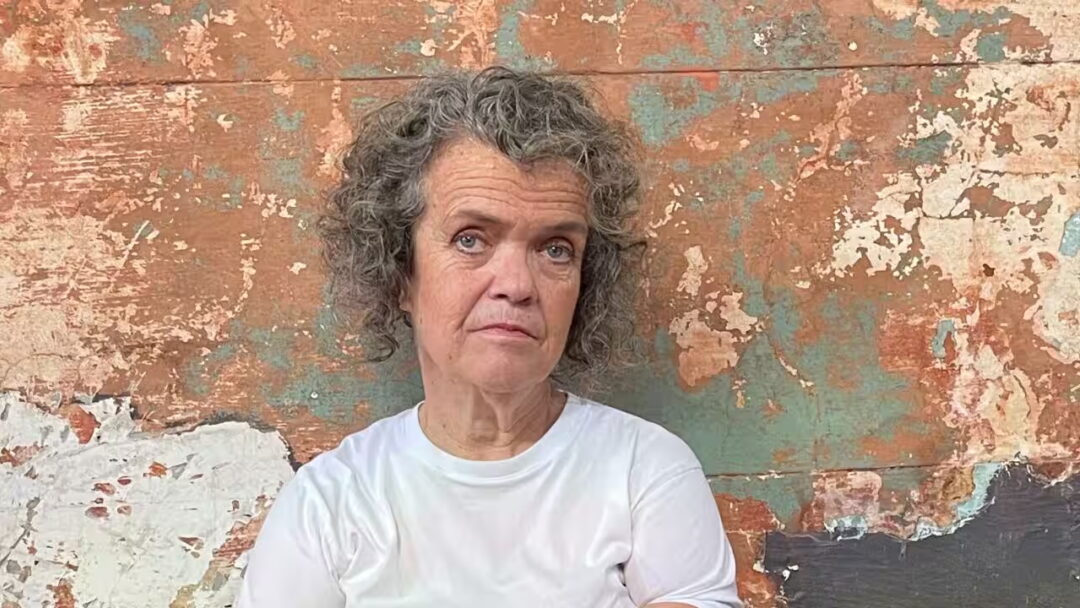
Join presenters Anthea Williams and Liz Cooper for discussions with artists and arts workers from across the creative spectrum for entertaining, enlightening and provocative discussions about art, culture and disability.
Debra Keenahan
Sideshow by 2RPH
Debra Keenahan
•27 mins
Audio
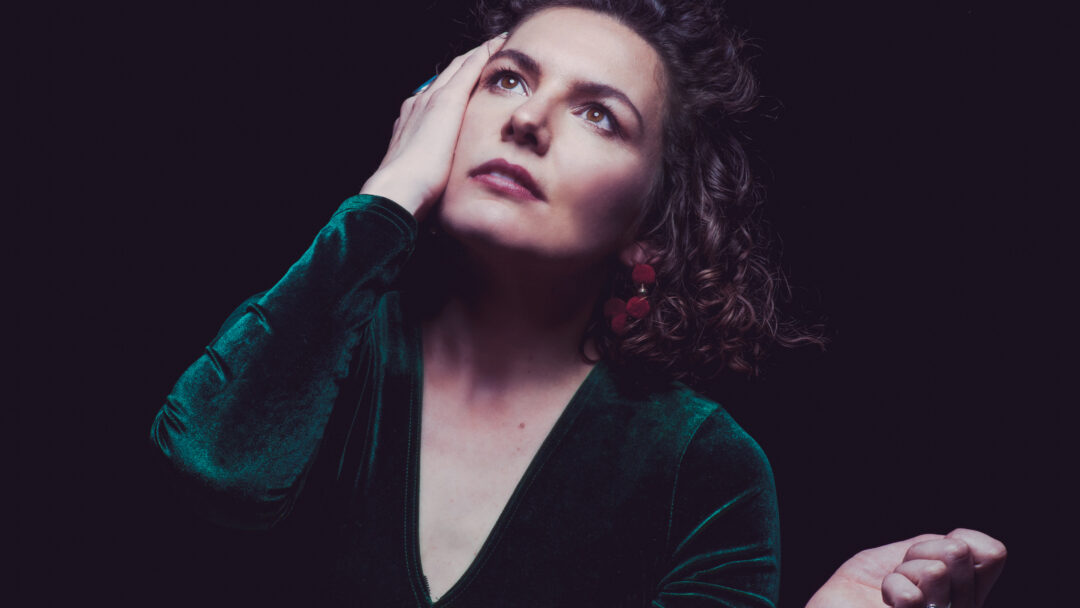
Join presenters Anthea Williams and Liz Cooper for discussions with artists and arts workers from across the creative spectrum for entertaining, enlightening and provocative discussions about art, culture and disability.
Eliza Hull
Sideshow by 2RPH
Eliza Hull
•29 mins
Audio
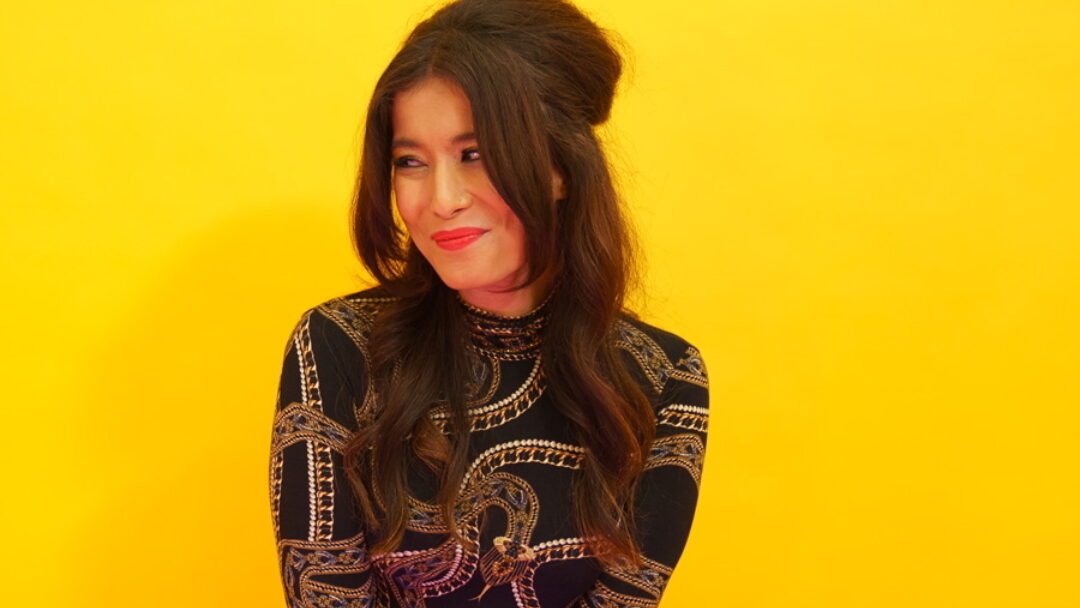
Join presenters Anthea Williams and Liz Cooper for discussions with artists and arts workers from across the creative spectrum for entertaining, enlightening and provocative discussions about art, culture and disabilit
Elly May Barnes
Sideshow by 2RPH
Elly May Barnes
•26 mins
Audio

Join presenters Anthea Williams and Liz Cooper for discussions with artists and arts workers from across the creative spectrum for entertaining, enlightening and provocative discussions about art, culture and disability.
Polly Atkin
Sideshow by 2RPH
Polly Atkin
•36 mins
Audio
Join presenters Anthea Williams and Liz Cooper for discussions with artists and arts workers from across the creative spectrum for entertaining, enlightening and provocative discussions about art, culture and disability.
The Strangeways Ensemble
Sideshow by 2RPH
The Strangeways Ensemble
•27 mins
Audio