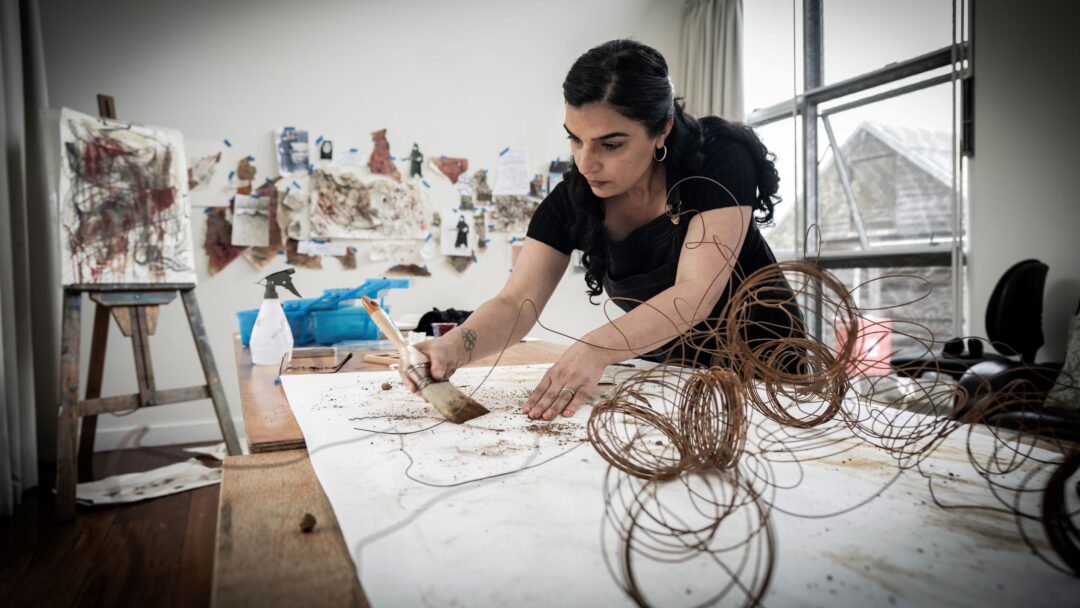
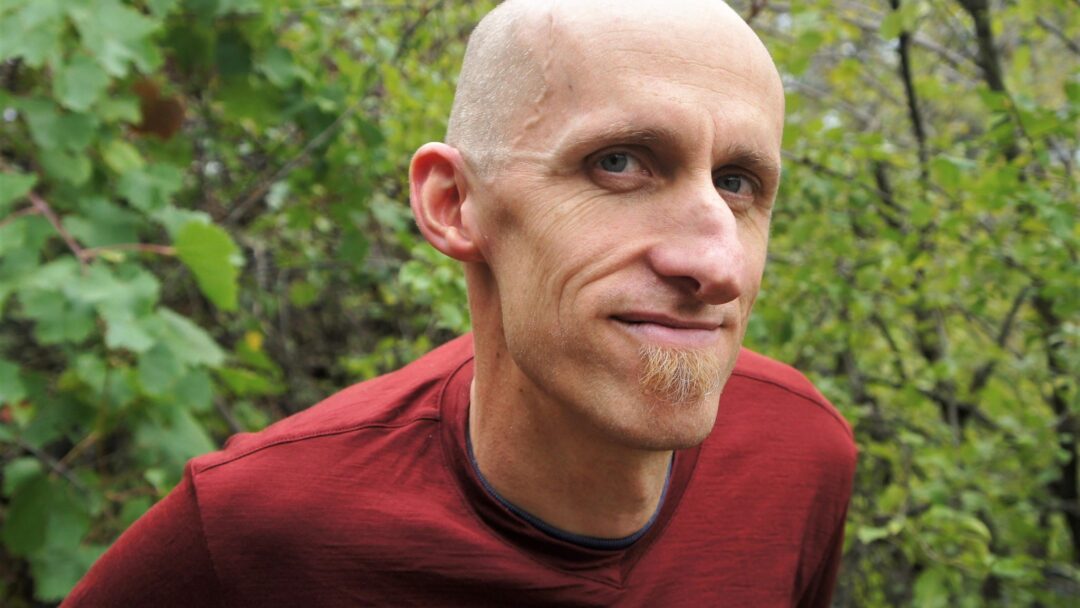
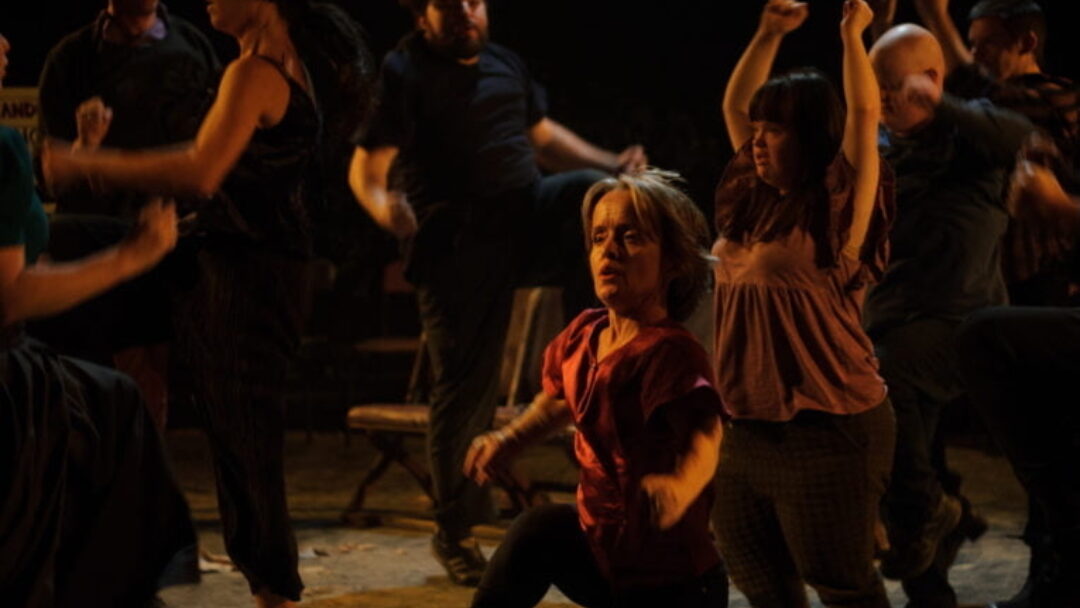
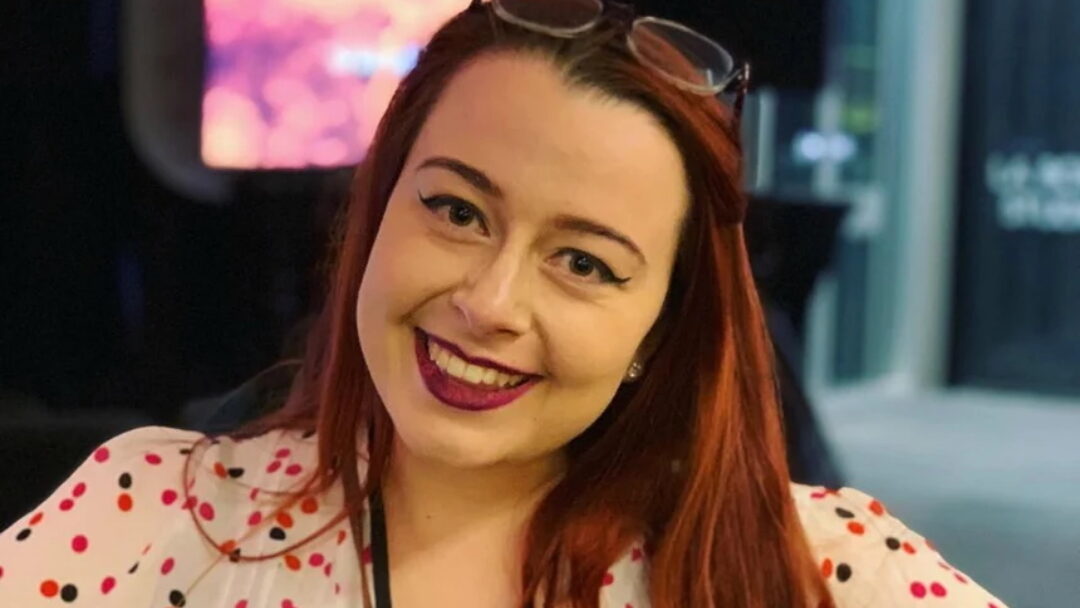
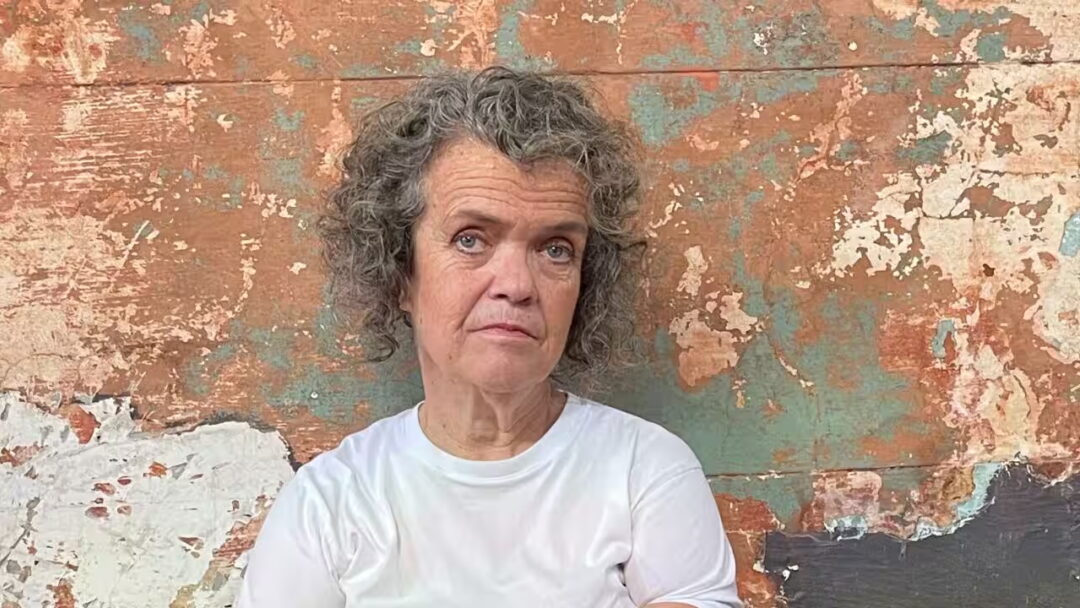
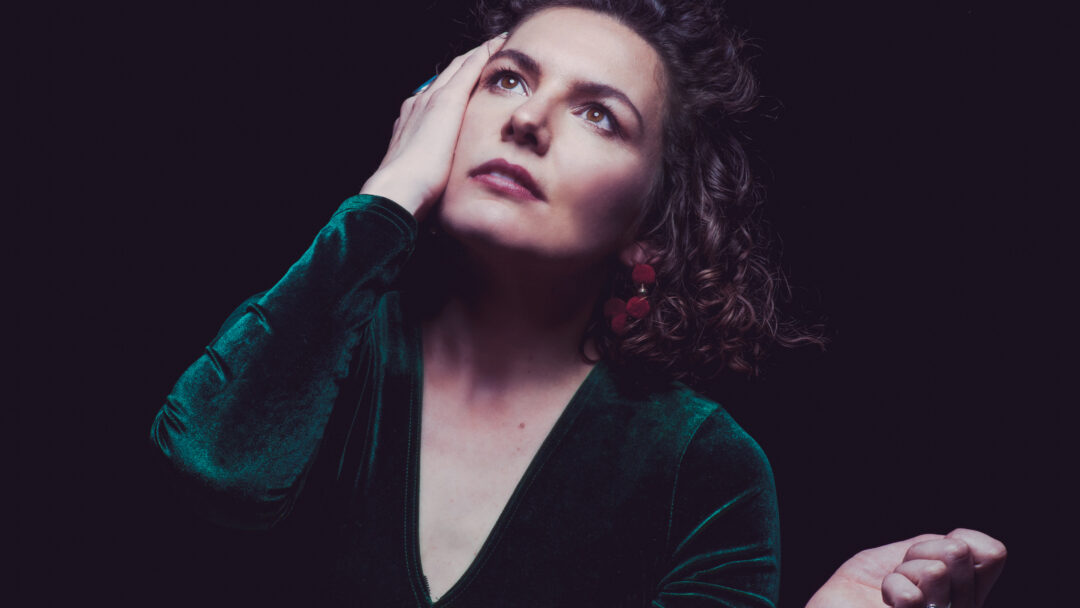
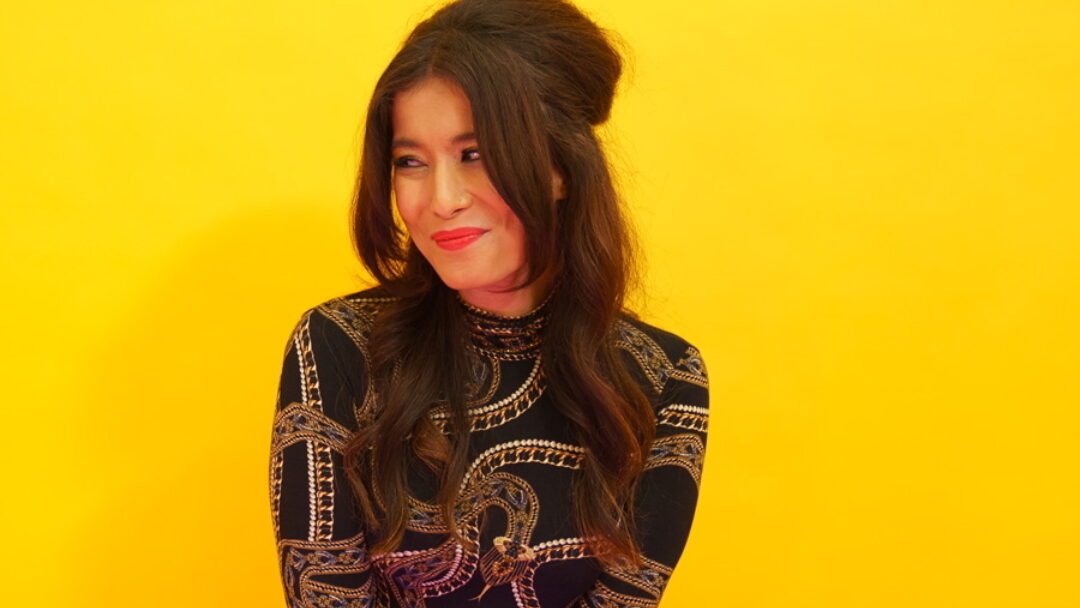
Welcome to Sideshow on 2RPH. This is Anthea Williams, and today I'm joined by Emma Myers and Nino Oyama. Emma is a screenwriter, a journalist, and a public speaker. And Nina is a comedian, writer, and actor known for shows such as Utopia, Taskmasters, and The Angus Project. Together, they are two thirds of the creative team behind Latecomers, a brilliant show which is currently on SBS On Demand. Emma Myers and Nina Oyama, thank you so much for joining us today.
Thank you for having me so much.
Can you tell us a little bit about it without giving us any spoilers?
Who wants to start?
I think you should start, Emma.
Okay, so Latecomers is about two strangers to me. while at the pub and decide to go on this journey, exploring their relationship with sex after watching their carers hook up.
And from there, it goes into quite surprising places. It's absolutely not what I expected, which I loved. There are three creators on the work, and you two both wrote it. How did you get inspiration for the series? Where did it come from?
Emma, I think you should answer this one because it's more your story than mine.
Actually, we all kind of wrote it. So there are three creators and we all wrote it together. And Angus and I both live with cerebral palsy, whether Nina lived as a carer or was a carer to Angus during the uni days.
Yeah, I mean, carer is such a like, Cara is a very nice way of saying what me and I guess we're just friends. And then one day he was like, do you want to get paid to hang out with me? And I was like, hell yeah. Like if that, like if I get money, I'm poor. I'm a uni student. And so we just used to get really lit all the time in Bathurst. But I think me and Angus have both seen each other as our like worst and best selves. We've both seen each other get rejected by girls. We've both like had breakdowns and cried in front of each other. And so when Angus and Emma approached me with this series about like love and rejection and sex and cerebral palsy, I was like absolutely in for helping them because I'd seen firsthand like what Angus had been through growing up like with cerebral palsy in uni, which is like a very, sexual time of people's lives and I'd seen what he'd kind of been through. And we worked together on a show called The Angus Project, which was kind of a much happier version of Latecomers, which is, it was about like, you know, a carer and a guy with cerebral palsy who are best friends and got lit all the time. I wonder what that was based on. we basically had already worked together and we've been friends for ages. And so I was like very happy to help Angus and Emma kind of build this into a TV concept and try and get money to make it happen.
Yeah. And I kind of said to Angus, the way we're just planning out what would become Lightcomers, I said, I feel like we need someone who's had a bit more experience in the industry, but instead we've got Nina, so... No, I'm kidding. Like, she's been a massive help just with the hurdles that we've had to... I had to jump through too, metaphorically. I had to jump through...
This is the nicest thing she's ever said about me. She's always flagging me up. No, I will say, I think the cool thing about this show though, I remember when we were first discussing the concept is like, because I know Angus so well already and I kind of, he was like, I want to show my real experience as someone that's had trouble navigating sex and love with cerebral palsy. And Emma, I remember you kind of being like, I'm just sick of seeing this narrative of like, you know, me before you and this idea that like an able-bodied woman cares for a disabled man and then he like, I don't know, dies or whatever. It's this one narrative and I hate seeing it.
It was also that and my own experience and like pretty much, pretty much both and just and I wanted to explore our own experiences on screen and my point of view with the woman with the disability because gender comes into disability and gender stereotyping kind of comes into it as well.
Yeah. What I love about your pitch was like, you were like, I want to show a woman that falls in love with an, I want to show a relationship with an able-bodied and disabled identifying person that was equal. And I was like, that's a really, that was, I felt like a really good foundation for what might come as you become is. Yeah.
And that's actually one of the things I really appreciated about the show. I loved that, you know, actually when I read the brief of the show and you said they go out with their carers, I was like, are they out with their carers or are they out with their mates? They're kind of out with their mates. And I think, you know, we so in the media, we see everyone get pigeonholed so much. And it's so lovely that, you know, like actually we see them out with their mates, we see them see their mates do things that their mates do and then react to it. And I I thought that was really, really great. So thank you for making those decisions.
Oh, that's okay. I think that that was me and Angus's life is that we just went out and partied together all the time. And it was just, I mean, it was so much fun. Like, yeah.
A lot of the time, you know, if you see carers on screen there, they're like 30, 40 years older than the actual person. And it's not that, it's not that, They don't really have the same bond. But if it's like your carrier is also your friend, it's a different kind of thing.
Yeah, absolutely. So tell us a little bit about finding your directors. You've worked with a director who we've had on the podcast before, Alistair Baldwin, who I just think is such a genius. And you also worked with Madeleine Gottlieb. How did you go about finding the directors that you wanted to work with on this project?
We had some really good producers. So basically, when we first applied for this funding, we didn't have a producer. I think we were all like, we're all producers. And then we got funding. And I was like, well, I'm not doing that paperwork. And Angus and Emma shouldn't have to do this paperwork. So we called up the producer from Iggy and Ace, who previously got the SBS Digital Originals funding, because it did come through a funding scheme, which I think is really important to know, like that we we weren't pitching this out to SBS as a TV show. Like we went through this various stages of getting funding. But when we got.
I think there was about 180 applications.
I was going to say there was 180 stages of funding. And I was like, so true, Emma. There was so many bloody funding stages. But I think there were 180 and 10 of them went to development, like into this room. What do we have like a workshop room? And then from there, I think four of them were chosen to be funded to the next round. But when we got, when we found out, I think what I called the producer of Iggy and Ace, who had gotten the success, had successfully produced the previous digital original. And I just thought she was the best. And so I was like, come do our one, 'cause I don't know that many producers and you've already done the system. So she came on, then she brought on Liam Hayne, that was Hannah No. Hannah No came on, she brought Liam Hayne, and then Liam brought us the beautiful Madeleine Gottlieb. She's worked with a lot of things. I remember we had a choice between a few directors and she ended up pitching to us, she had this document that just had like a really clear vision and it was so clear how much she loved the concept of the show.
It was quite personal to her as well. So it was like we had meetings with about, I think we shortlisted about three directors or something. And after like a split second after Madeleine's face popped up on screen, I'm like, We need this person.
Yeah, Emma, like, Everyone's obsessed with Madeleine. I was like, there's two that I could. I'm a much harsher critic. I think I was like, no, it's more. We need them to prove this up. But Maddie just like she made his pitch deck in like a day. She turned it around in a day and it's probably like the best pitch deck I've ever seen for a director's vision. And And I remember we talked to her. I remember once we locked her in, I was like, Oh, I think Transparent is a good reference for the show. And she was like, Oh, I love Joey Soloway, and that's my favorite TV show. And I've been learning about Joan Shekel and the way that she directs. She just had all these references that I also loved. And I was like, Oh, I can totally see the way that you would create a show that is so full of heart. Even though there's a lot of edge, I think in the script, it's quite edgy, but because Maddie is so, I don't know, she just has such a full heart is a weird thing to say. She just you can see her love on screen. And I don't think that's a talent all directors have. I think it's a very Maddie specific thing and it's what makes the show and also Maddie so special.
Yeah. Yeah. And I have to say the intimacy scenes in the work are really beautiful.
Yeah, they were mine. Like to me, I remember we wrote the script and I was like, yeah, whatever. I watched it on screen and I was like, wow, like I It's all come together now, so it's fine. But there was, Maddie and I went for lunch and then she was like, hey, can I show you the sex scene? We've just finished editing. We've got the round one edit of the sex scene. And she's like, yeah, it goes for about 10 minutes. We've got it down to 30 seconds. But I watched it and I was like, this could just be an episode. Like it was so tender and so like, I felt like I was in the room with the actors and, or I guess with the characters, you know, I was just like blown away. So she's a phenomenal and a genius. And Al as well, like I know Al from comedy stuff. So me and Al are both comedy writers. We both do stand up. We're both gay and annoying and we're best friends. And basically I just remembered getting him in the writer's room because I was like, Al's A phenomenal writer and he writes a lot about the intersection of disability and sex. And so I was like, he is. like bang on the perfect writer to bring in to break more story for our second round of writers' rooms. And afterwards, I think we were talking about a director's fellowship and I was like, Ow, do it. And he's like, I've never directed. I never even thought of it. And then he applied it. Everyone was like, Yes, Al's the right person. And now he's directed and I think he's really been bitten by the bug and wants to do more. But I love that episode so much. His episode's really pacey and beautiful.
Which episode is his?
Episode two.
Yeah. Yeah, it's a really good episode. It's a really fun episode. And I have to say, I ask what episode it is, but I should confess, I watched the entire thing through back to back, couldn't stop. It's an hour long, all up. And yeah, I just enjoyed it so much. So tell me a little bit about how you found the right cast, because you have a beautiful cast in this work.
When we began, I still can't wrap my head around the fact that, like, it got as big as a DHB, because, like, I just thought at the beginning, this was my first foray into screenwriting and doing TV, which I've always wanted to do. And we put a... cast in Call Out through The Magnificent Danny Long and we got some really, really great auditions back. So at the first table read, which was where Angus, Nina and myself kind of were in the physical space together for the first time, we had Hannah did really come and know each other part of Sarah, just trying to hear her voice outside of our own head.
Yeah, because it's always hard when you're writing and you write in the way that you would say things, in the way you would read things, and to hear it interpreted. Like I think part of us was just like, yeah, we'll just get Ankus and Emma to read, and then our producers were like, no idiots, you're the writers, you have to hear it, you can't be saying it, then that's like... missing the point of your writing exercise because it's about how your writing is interpreted. So yeah, we got Hannah Diveny, who's like an activist with cerebral palsy to read her.
And afterwards, Madeline went up to her and she's like, So you're auditioning, right? I'm so glad that Hannah got the role because she's incredible.
And we also obviously like Angus, who is our third co-creator, played Frank on the show.
And he's just phenomenal as well.
Yeah, Angus just has like this on-screen presence that is just insane. Like you, I don't know how he does it. So Angus and I, when we worked on the Angus Project together, which is the title of our comedy pilot we made for ABC Comedy, he, I just remember we were shooting it and like I was just on Utopia, which is like a well-known like ABC TV show. And like I was on my first acting job and I was quite I was struggling a little bit, but by the time I got to the Angus project, I was like pretty comfortable on camera. And Angus just comes in, it's his first time acting and he just smashes it. Like I just, I've never seen someone with such perfect timing. He knows where the camera is, like intuitively. His nickname on set on late comers was To Tate Thompson. Like he's just a freak. And he brings so many, like he makes that character so charming. I think there's so many ways that you could play him that would be so unlikable and so unsympathetic. And Angus just, he gets away with so much because his presence is so likable that even when he's being a ********* you're like, Oh my God, this poor guy. I can't believe all his pain that he's going through that's making him be me. I don't know, he has a very empathetic, charming presence that you cannot help but love him, even though he's a ***** ****.
Yeah, and he walked that complexity. The series walked that complexity beautifully, which I was really impressed by. Did you get any pushback from the industry or from agents, people wanting you to cast actors who didn't live with disability?
No. No. Great.
No, I mean, during the first table read, because it was such short notice, we couldn't find a male astronaut with disability to read for free.
I think we could, there were just, there were a few issues with like travel and like we just couldn't get them to the location at the right, like there was just scheduling conflicts I think. I was also, this table was like just... after, like it was in the middle of, not in the middle of COVID, but it was like, you know, that really tentative time where everything was kind of opening about, we're all in masks, like it was really hectic.
It was kind of the limbo time between just coming out and still being kind of cautious.
Yeah. And so there was a lot of kind of roadblocks. I remember when we were like, oh, we got this person, then it was like, this thing, you know, hasn't happened or like, yeah, somebody, it was just, it was all these like, moving parts were not moving together.
Yeah, absolutely. I'm really pleased to hear that because even a couple of years ago when I was making a short film with a young boy with cerebral palsy, I had some people push back and suggest that maybe I should cast someone who had done more work before. And I just love to hear that you didn't have any pushback on that. That's wonderful. So can I ask, how has the series been received?
I always have phenomenal reviews. It's been called Quietly Revolutionary.
By The Guardian.
Yeah.
The freaking Guardian, man. What the hell? That's like, that's the new paper I read.
Yeah, Sydney Morning Herald, Frankie.
People really love it, I think is cool. And it's really nice.
I think it's because... Sorry, I'm talking too much. I think it's because even though it's about disability, it's not at the same time. It's more about complexity, the complexity of the society and just like trying to fit into modern day, modern day **** ***.
It's like, yeah. I think that we were really lucky. We had Vanessa Alexander, who wrote for The Great, and who's this incredible writer. And she was in our very first writer's room. And she was like, you need to find your eternal question, which is like the human question in the show. And very early on, we nutted out the human question, nutted out, pun not intended. We figured out the human question was, how far would you go to be seen sexually? And even though the show is about disability and sex, that eternal question is, you know...
Relevant to everyone.
To every single person. And especially 'cause like in our society, sex is of such prescience and such value and it affects us all, like how we feel about ourselves sexually or as sexual creatures, or if we're feeling sexually impotent 'cause we've been rejected. Hi, it's me. But I think like, I do think, yeah, there is... there's such a core question there that people do relate to the characters despite not necessarily having a disability. They are able to see themselves or, you know, see that, I guess, sexual question throughout the show. Yeah, it's funny. Like, I think it's funny and it's sweet, but it's not too sweet. Like, I think, I don't know, I've, most shows that I work on, I'm a little bit ashamed, especially if I write and direct them. I'm always like, it's really bad. Like, don't watch it. But I think the thing that I love about Late Comers is like, it feels like such a team effort. Like, you can see Maddie in the show, you can see Emma in the show, you can see Angus in the show, you can see our producers like in the show. You can feel like, I don't know, I watch the show and I see like every single person's input and desire to tell this story and almost relationship to the story. And I think that's almost as well what I think other people watching it can feel is like this love or say it all comes back down to Maddie Gottlieb's love. But yeah, I think to me the show, like I think on paper it was quite, you know, edgy or like, I don't know how to describe it, maybe like, like rough or something like there was a certain edge to it. And I think that in the production part of it and the editing and the acting, like it just, it all got kind of it got made palatable, is that a good thing to say?
It was unpolished on paper, but...
Yeah, it felt really cool.
On the screen is really refined.
Yeah, it had this like rawness on the page, and then the rawness was like, like it's, they made it, they beautified the rawness. And I think that like, that was something that was really cool for us to watch. And it's allowed me to take compliments for writing on this show, 'cause yeah, it doesn't feel like just our beast anymore, it's like everyone's...
And I feel like everyone can relate to... You know, everyone knows one of these characters. Like, everyone knows a Brandy. Everyone knows an Elliot. Everyone knows a Deb. Everyone knows, you know, Frank and Sarah. Like, we come across these people throughout our life and... Yeah, I think that's the beauty of it, is that there's someone for everyone to relate to.
Yeah. Well, congratulations. It's such a beautiful show. And thank you so much for telling us a lot more about it. Thank you.
Thank you for having us.
This is Anthea Williams, and you're on 2RPH. So Hannah Cormack, welcome back to Sideshow. Now, tell me, what have you been seeing and not being seeing this month?
Dan Dore is back in Sydney with his new work, The Dan Dore Show, as part of the Seymour Centre's Pride season. After having spent a lifetime being an inspiration to others, Dan is finally seizing the moment to inspire himself. Dan is joined in an intimate evening of play by performer and collaborator Christopher Owen, where Dan takes back the power by being dominated on his own terms. The Dan Dore Show was named as one of the top five dance shows of 2022 by The Guardian UK, and it's on in the York Theatre from February 21 to 24. Now, this show isn't online, which is understandable given the intimate and explicit content within the work, and that it's a reclamation of power. And sharing that kind of work with an in-person audience in a room is a totally different power dynamic than sharing it with anonymous online viewers. So that means I won't be able to see this work. But there are a lot of other access provisions for other types of access needs. General access to the Seymour Centre includes lift access to all levels of the centre and fully accessible toilets located on the ground floor. Wheelchair seating is available in all venues. Patrons have the choice to stay in their wheelchair or transferred to a seat and adjacent seating can also be reserved to companions. And the Seymour Centre is also a companion card affiliate. Hearing loops are available in the York Theatre and amplifying sound for specific areas of seating. So it's also asked that if you require wheelchair seating or hearing loop access to please advise the box office when booking. Now additionally, the Dan Dore show has extra access provisions. All performances of the Dan Dore Show are captioned and all are relaxed performances, meaning audiences are welcome to move around, come and go, make noise, stim and tick as they need. Every performance is preceded by a pre-show access session. From one hour before the performance for 30 minutes, one of the team can bring audience members into the performance space. They can demonstrate where the captions will be displayed, where their trigger warning symbol, the light and sound intensity will be displayed, and audience members can also explore the set, props, stage in whatever way they prefer. It's also an opportunity to check where you'll be seated, the entrances and exits, and routes to the quiet room and toilet facilities. There's also a priority boarding system if it's of benefit to people, meaning that some audience members have the opportunity to enter before everyone else does. It's recommended for audiences 16 plus, contains coarse language, sexual references, haze, smoke, loud or sudden noises, and flashing lights. And photography and filming is prohibited. And there is a full and detailed content warning guide available online listed under the heading triggers, which goes through all the possible triggers for people and gives further explanation and detail into what those are. So you can make a decision for yourself if you feel the show is for you. Tickets are available at cemorecentre.com/event/worldpride-2023-be-dan-door-show.
That's an amazing set of access. That's fantastic, isn't it?
Dan is part of a number of UK-based dance artists who are really working at the forefront of radical access. So it's just beautiful to see the care and attention given to some of the different areas of access you might not have encountered before at venues here in Australia.
Yeah, I really wanna do a show about what they're doing with Access in the UK at the moment, because a number of Australians who I know who are working there at the moment talk about how it's a very progressive place to be living if you're part of the disability community in the arts at the moment, which is fantastic. So what is it that you are going to get to experience this month, Hannah?
Well, what I did see was all of us. Written by and starring the wonderful Francesca Martinez and directed by Ian Rickson for the National Theatre in London. Inspired by real stories from disabled people, All of Us is set in modern times in the UK and reflects on experiences of those dealing with the effects of austerity on PIP, or the Personal Independence Payment. And those of us in Australia who are currently on or trying to access the NDIS might recognize many of the absurd tests, humiliations, and barriers forced upon the characters in the play. It's A searing indictment of the systematic abuse encountered by disabled people accessing government benefits. But it's also a play whose warm heart is rooted deeply in forgiveness and compassion, recognizing that the same system that hurts disabled people ultimately hurts everyone, no matter our abled, disabled status or our political leanings. Now, there are no content warnings listed on the site pre-purchase, but I will mention there are themes of substance abuse, death, and suicide. It's available to watch online at National Theatre at Home, either as a standalone rental purchase or through their subscription service. That's at ntathome.com. It will be available as a title in their selection of plays until at least the 14th of December, 2023.
Awesome. I'm so pleased I've got a while to see it. You know, that is definitely on my list because you're not the first person to recommend it to me. Rachel Musgrove, who does a lot of the marketing for this show, was also telling me how inspiring she found it.
And inspiring in not the way that word is usually used for disabled people. I mean, this is a disability-led project. The writer and star is disabled and it was so refreshing to see so many disabled actors on stage at once.
Awesome. Can't wait to see it. Yeah.
Normally there's just one or two of us in the cast, but this one has a lot of disabled actors. Cool.
Hey, thanks so much, Hannah. I'm really looking forward to experiencing both of those. And just a reminder for everyone who's based in Sydney. Pride is coming up, so there's heaps of stuff to see. Links to latecomers and all of the shows discussed today will be in our show notes. And if you're in Victoria, I went to a wonderful gig last year at the Sydney Opera House called Into the Space Between the Notes, where the Liz Martin Band and Eliza Hull played. So that gig is going to be repeated at the Castlemaine Festival on the 31st of March and at the Melbourne Recital Centre on the 1st of April. So to play us out, here's the Liz Martin Band with Let Me Down. Led me down by the river, where salty flesh bled to an ocean dragging me till there was nothing but heading down down there. Left me lies in deception, troubled roots clawed at perfection dragging me till there was nothing but