Anthea:
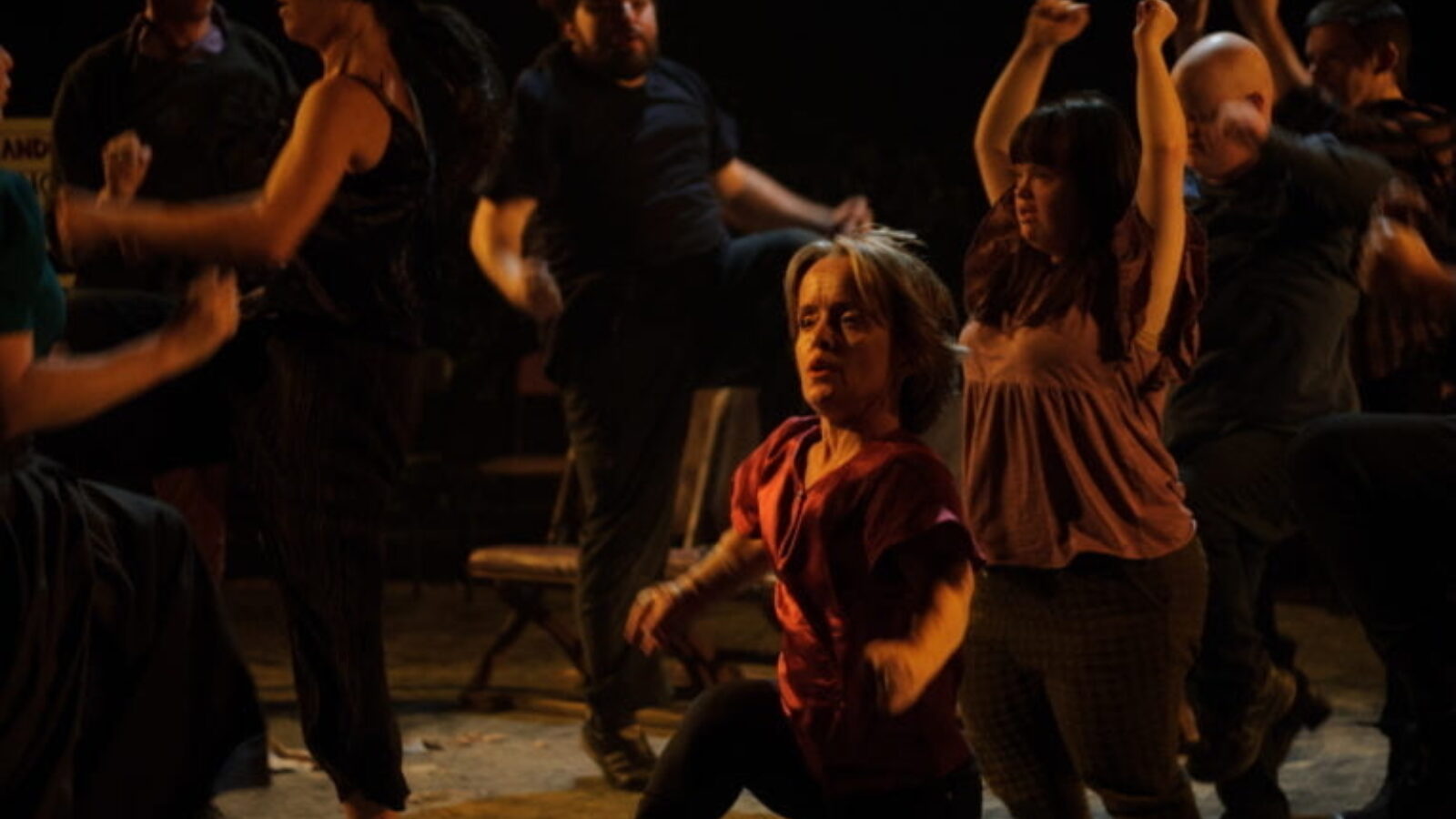
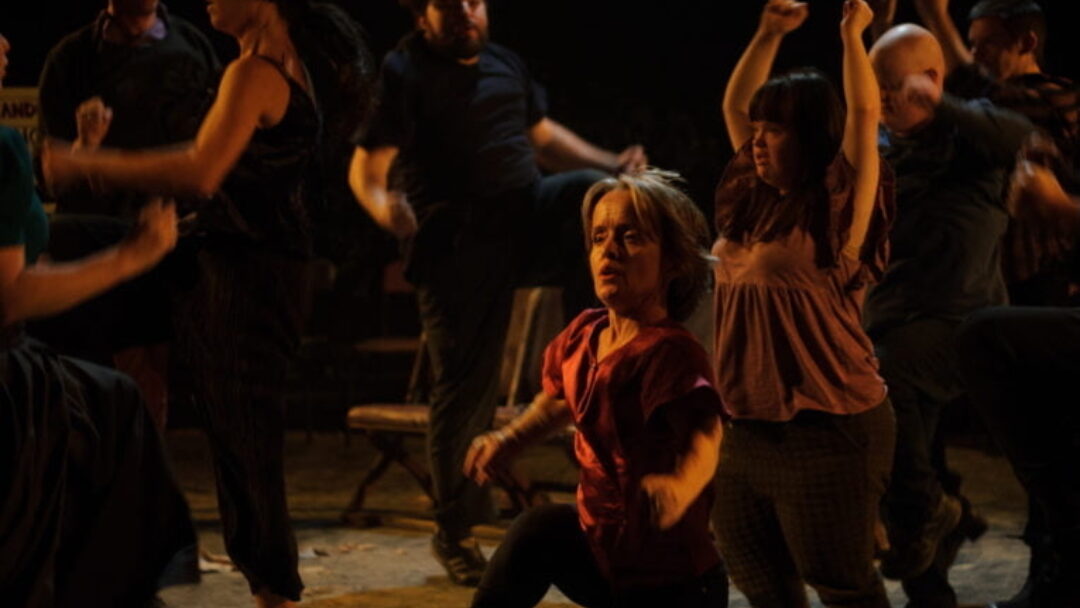
Welcome to Sideshow on 2RPH. This is Anthea Williams, and today I'm joined by Rawcus. Rawcus is a critically acclaimed performance company with a long-term ensemble of 14 performers. These performers have diverse minds, bodies, and imaginations.
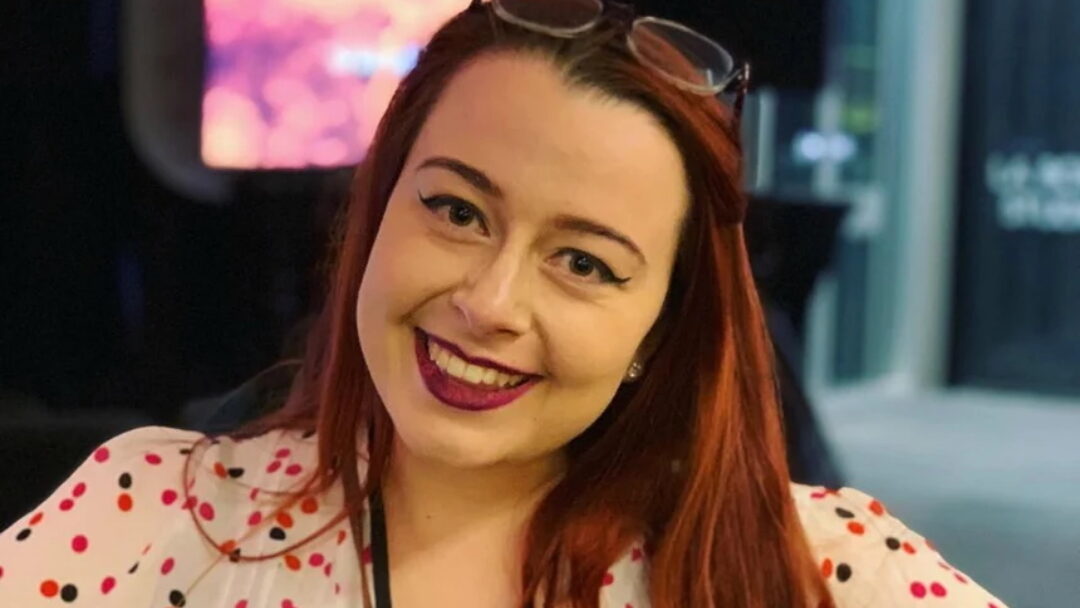
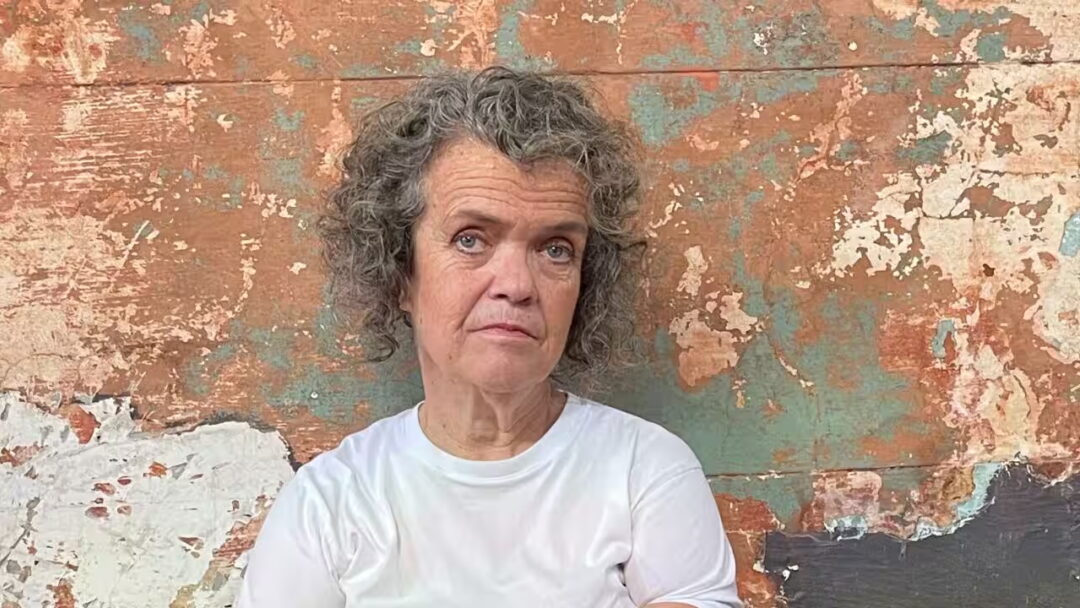
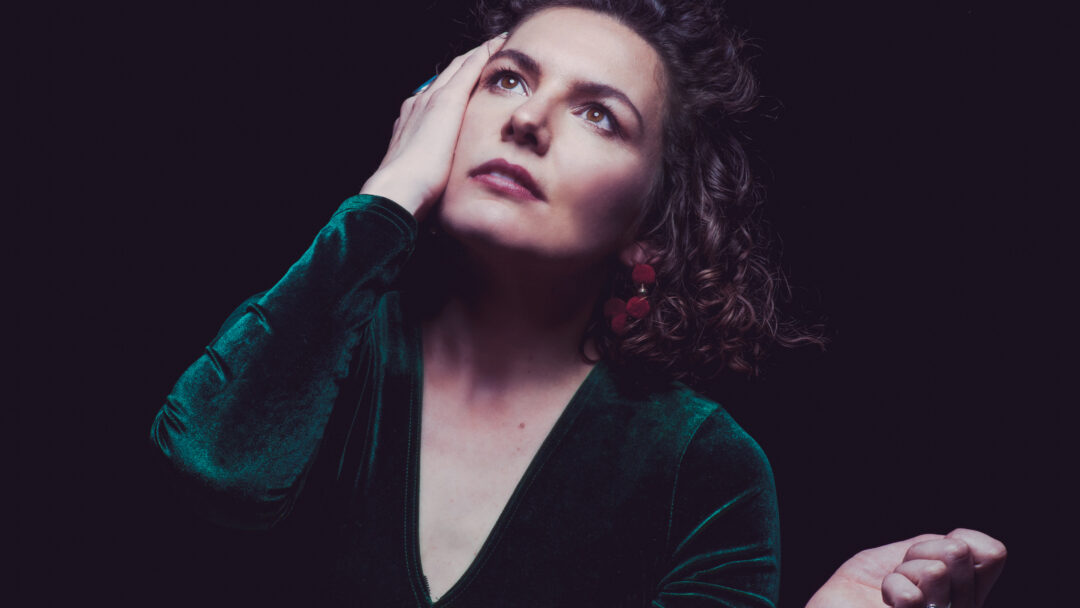
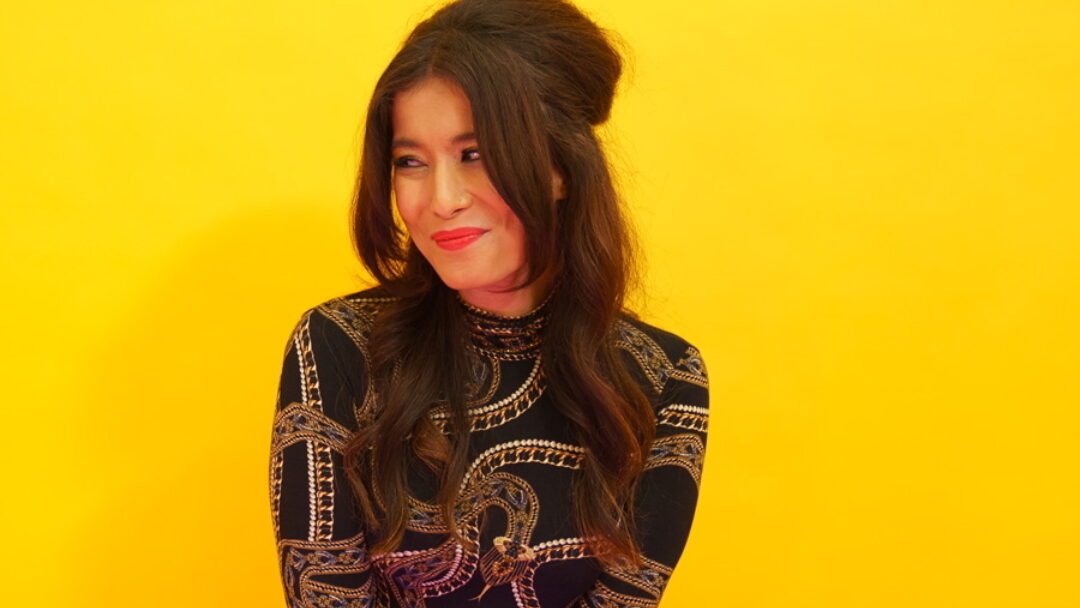
Today I'm joined by Kat Cornwell, who is co-artistic director of the company, Paul Matley, who is a member of the ensemble, and Nilgun Govan, who is a performer and support worker and member of the ensemble. Thank you so much for joining me today.
Kat:
Hi. It's good to be here.
Paul:
My pleasure.
Anthea:
Thanks, Paul. Hey, Paul, I'm gonna start with you. So our radio show is based in New South Wales, so a lot of our listeners may not have had a chance to see some Rawcus work. Can you tell me about the work that Rawcus makes?
Paul:
Uh, just, uh, improvisation.
Anthea:
Improvisation?
Paul:
Yeah.
Anthea:
So you make performance and do you make performance through improvisation?
Paul:
Uh, with the group, just moving around, walking around, crawling, falling. Yeah.
Anthea:
Fantastic. And I-
Paul:
[inaudible 00:01:20]
Anthea:
And I know that there is an ensemble and you're a member of that ensemble. Kat, can you take me through a little bit about the ensemble and about how Rawcus makes work?
Kat:
Sure. So, um, we're a group of 14 people. Um, and everyone in the ensemble is different. And that's what makes the ensemble amazing, is that everyone brings their unique perspective, their way of being in the world, their sense of humor. And we come together and we make work on the floor together.
So we meet every Wednesday along with the school terms. We do have breaks for holidays. Uh, but we meet every Wednesday and we build work slowly over time, uh, through, like Paul said, through a process of improvisation, through responding. And we really- we ask the ensemble to respond as themselves. So people aren't walking into the space and putting on a character. It's like, how do you respond to this prompt? How do you respond to this image, this song, this improvisation structure? And the magic in the space is- is it comes from what happens between the people in the space.
And there's myself and the other co-artistic director, and we are always watching on the outside. We'll set an exercise up and we are watching, watching, watching. Sometimes I- we'll record it as well. And we're looking for like the magic spark. And I feel like often in the room it's really clear when something's working and when it takes off and we kind of go, "Ah, that's a clue. That's a clue to the next show." And we keep following that thread until we get closer and closer.
Anthea:
So before you set up your improvisations, do you have a sense of what you think you might want to make it work about, and-
Kat:
Yeah, totally. Um, sometimes we know and sometimes we have no idea. Like we just finished our big company show, Interior. Uh, we did that last August and we had a little break and we came back together. And at the end of last year, we just had all of these sessions where we'd set stuff up, we'd set up an improvisation and something could happen. And what we were really doing is going, "Oh, what's in the air at the moment? Like, what is this group of people gravitating towards? What do we have to say about the world right now?" And from that, some little- some interesting things rise to the surface. And then we're kind of, at the moment, we're just at the start of figuring out what the next full ensemble show is. And for me, the ideas have really come from the room this time.
Anthea:
Okay, that's fantastic. That's really interesting. I know some of your ensemble members have been part of the ensemble for a really long time. Paul, how long have you been in the ensemble?
Paul:
Started- started back from 2006.
Anthea:
Wow. That's almost two decades. That's a long time.
Paul:
Then I ha- had a small break-
Anthea:
Mm-hmm.
Paul:
... because I went off to, um, another dance space with Emotion 21, and then I came back and they wanted me as an ender in a production of catalog.
Anthea:
And what do you enjoy about being in the ensemble?
Paul:
Just being part of that family.
Anthea:
Oh, that's lovely. That's a family.
Paul:
Yeah. Especially when sometimes we don't hang out. Sometimes we do. We have a good laugh or chuckle, jokes, and we love going on excursions.
Anthea:
And Nilgun, how long have you been a member of the ensemble?
Nilgun:
Almost more than half my life. (Laughs)
Anthea:
Wow.
Nilgun:
I started in 2000, shortly after it formed. So I'm not a founding member, but I got to work with the founding members, um, since 2000.
Anthea:
And I know that you are a performer. I've seen you perform, which is fantastic, but you are also a support worker with the ensemble. How does that work doing both of those things together?
Nilgun:
Um, I love the role. It's a dual role that sort of comes hand-in-hand simultaneously, side-by-side. Um, I have a lot of space and freedom to be equally a performer, with- within the ensemble. But I also, in a creative sense also, it feeds me to, uh, be mindful of other people's needs or styles, to be able to support them in the process, within the creative work in seamless ways. Not, uh, you know, it's not a stop and pause moment. It- it's sort of within the work and the building of the work and- and interrelationships.
Anthea:
Yeah. I think that's fantastic. And I think that, um, support work, particularly in a theater context, of course, that is creative. And I love that Rawcus acknowledges that. I think that's really important.
Can you tell me a little bit more about other opportunities offered by the company and the other work that you do?
Nilgun:
So, uh, alongside our, uh, major works, we also have a public program. And that's a really flexible program which has a focus on, uh, Rawcus having opportunities to connect outward with the public, with other communities, with other artists. And because of that, the- the styles of- of art are really flexible as well.
So last year, uh, one of the projects that we did was collaborating with a group called Fast Fashun Collective. And they, uh, up-cycle, um, fashion waste into- into, um, high-fashion looks, which are kind of really like handmade. And they've run- they've run a whole workshop program about- around that. And so we collaborated with them and took our old costumes, and the ensemble got to design their ultimate high fashion look.
And then we collaborated with Pia Johnson, who's a photographer, and we took fashion images, and they were displayed at Fed Square. So like through the public program, we- you know, they get to collaborate with all sorts of artists, um, which is really great. Like I- I also love seeing into other people's practices, um, and get to be in a variety of different spaces as well.
Anthea:
Hmm. And you talked also, um, Nilgun, about how that work is paid. Yeah. I think that's fantastic.
Nilgun:
(Laughs)
Anthea:
Tell me about that. How do you- how is the company funded, and how do you make sure that you can pay people for what they do?
Nilgun:
Yeah, I'll- I'll- I'll get Kat to answer, um, more in- more to that. But I would like to also say that Rawcus were one of the, I guess, first professional theater companies-
Anthea:
Mm-hmm.
Nilgun:
... that professionalized the role of the ensemble-
Anthea:
Mm-hmm.
Nilgun:
... and their work in other projects. And got to the point where even when we're doing major works, everyone is paid. And it's a large ensemble. (Laughs)
Anthea:
Yeah.
Nilgun:
And, yeah, all projects are paid.
Anthea:
Mm-hmm.
Kat:
And the other thing to say is that I feel like the ensemble has such an identity, you all do as performers, that other artists will come to Rawcus and say, "Hey, I want to work with your ensemble. Like, we get requests to work and collaborate with the ensemble because I think the public and the audience can see the talent on stage, um, and wanna collaborate.
Nilgun:
And- and they are- they do rely on funding. Um. So it's cho- it's mutual effort to try and generate the funding to support the idea of a project.
Anthea:
Mm-hmm.
Nilgun:
And they're usually successful, um, largely successful, and then might have a- a life that is beyond that too. It might, you know, be s -a film might be screened again-
Anthea:
Mm-hmm.
Nilgun:
... or an exhibition might be sort of toured again. So there's other sort of pop-up opportunities.
Anthea:
Yeah, so-
Kat:
Yeah. So, on the funding um, the company, kind of the operations side of the company, the dry side, uh, there's myself and the other co-artistic director Morgan, and then a general manager. And we're a tiny team, uh, but we think of ourselves as very mighty. Um, and we're always looking for opportunities for the company to find resources to fund our really interesting projects.
Anthea:
Yeah. That's awesome. I really like that. And Paul, have you, um, been approached by other comp- I know you left the ensemble and worked with another ensemble for a while, but have you left the company and taken up on these opportunities to be an actor or a dancer or a performer with other orgs?
Paul:
Oh, it's always been a part of my dreams.
Anthea:
Yeah.
Paul:
And through my family.
Anthea:
Yeah. That's awesome.
Nilgun:
You had a long career with, um, Club Wild-
Paul:
Oh, yeah.
Nilgun:
... for example. Yeah. Do you wanna talk about what role you had working with them?
Paul:
Well, actually I remember when my mom took me to see my very first Broadway stage play, um, with my grandmother. And my mom was like, "Wow, this is what acting looks like."
Nilgun:
Um, you were- you've been an emcee.
Paul:
Oh, yes.
Nilgun:
Master of Ceremonies.
Paul:
Yep.
Nilgun:
You've also starred in a few films. Am I right?
Paul:
Uh, docos.
Kat:
Mm-hmm.
Nilgun:
And docos.
Paul:
Yeah.
Kat:
What's the name of the film you were telling me about recently?
Paul:
Uh, Dance Like Nobods- Dance Like Nobody's Watching and Paul, through the Focus on Ability
Anthea:
Mm.
Nilgun:
Focus on Ability Film Festival, I think.
Paul:
Yep.
Nilgun:
You're referring to a short film.
Paul:
Yeah.
Nilgun:
[inaudible 00:10:48]
Anthea:
Fantastic. That's awesome. So I, um, saw Interior in August and I absolutely loved it. I don't wanna explain it though because, um, I didn't make it. Kat, do you wanna tell u- us a little bit about what the audience would experience going into Interior?
Kat:
Yes. Um, so the work is set at a party, uh, and the party is not a great party. Imagine like those party- it was like, it was kind of set at Christmas, though that wasn't important, but there was the Air of Christmas with a bunch of people that you don't really know. And so it's- the work starts in this very awkward environment. Um, because thematically what we were exploring is the difference between everything that can be going on inside somebody and then what they show on the outside. And that you can be sitting next to someone and they can be going through all sorts of things on the inside, but on the outside you just don't know. And that that is a universal experience that happens to everyone. And so the work starts quite, uh, if- it's awkward, it almost feels quite realistic. Some people said it kind of almost had like a filmic sense about it, and it slowly morphs and changes. And by that I mean style and becomes more expressive as the inner worlds of the performers are revealed to the audience.
Anthea:
I thought it was beautiful. I- um, I think we've all been at a party having a terrible time and for some reason it feels like there's, um, a real social prejudice that you're not allowed to not have a good time at a party.
Kat:
Yeah.
Anthea:
But sometimes that feeling is what makes it even worse. And I- I loved that. I- I really related to the piece and it um, certainly reminded me of some times when I've been at a party where maybe I should have just been at home under a doona reading a book. So thank you very much for that. I thought it was beautiful. Um, can you tell me a little bit about how the work was made?
Kat:
Do you remember about how he developed the work, Paul?
Paul:
Uh, maybe it all started with a book.
Kat:
Mm.
Paul:
And um, planting the first plant.
Kat:
Mm-hmm.
Paul:
A plant of life.
Kat:
Mm-hmm.
Paul:
Yep.
Kat:
So it di- it was inspired by a short story called The Dead by James Joyce, which sounds, you know, it sounds like it's about something very morbid, but it is set at a party. So we took that little bit of inspiration.
Paul:
Yep.
Anthea:
Yeah.
Nilgun:
And there was one session in the early days of the process where we were read the story and then we were asked to, uh, reinterpret it back. Or- and when Paul recounted the story, he mentioned a snow- snow globe that the story evoked, um, the characters in the world and the atmosphere similar to a snow globe. Do you remember that?
Paul:
Of being trapped in a snow globe.
Kat:
Yes.
Nilgun:
And that feeling and that- the aesthetic of that.
Paul:
Like under- like- like under the dome.
Kat:
Yes. Yeah.
Nilgun:
It very much felt like the final work, we were captured within the dome of this living room.
Kat:
Yeah.
Nilgun:
Yeah.
Kat:
And that- that, um, that image, like, we passed that on to the designer that we worked with. Like w- w- you know, any- any little comment in the room can influence anything else in the creative process. And so we told that to Nathan and that very much was in our conversation when we were coming up with this- this world with all the white walls and the white carpet that- so you could really- you could really feel like you were trapped in a space together and that leaving wasn't an option. That was part of it as well, which was this snow globe feeling.
Paul:
Yeah. And also the TV series that I got interested in with a snow globe.
Nilgun:
Mm-hmm.
Paul:
It was actually from a site called Locke and Key.
Anthea:
Ah.
Paul:
Yeah.
Nilgun:
There was a sense of mystery. Like even as the work evolved, we- we were- I wasn't understanding it necessarily until I performed it and was able to reflect back, like making work and performing work, it's still a mystery to the performers (laughs) sometimes where it finally makes more sense after you do it. Um-
Kat:
I feel like with this show, 'cause it's like, um, because it kept changing and morphing styles, like that, we needed the whole thing to know what it was.
Anthea:
Mm.
Kat:
... because we kept shifting and changing. And it was really about the journey from the start to the end. Because the other thing that happened is, um, there's a kind of a big climax, uh, and then there's a moment of connection where one person gives somebody else a present and then the present is opened and it's a little tree, which is what you were talking about, like the tree of life.
Paul:
Yeah.
Kat:
It's a little, it's a gift of connection.
Paul:
Yes.
Kat:
A plant of life.
Paul:
Yeah.
Kat:
And then from there we transformed the space into an exterior space. So we brought in more trees into the interior of the house and transformed it into, well the image in our head is a forest where you can be free, where you can breathe and be yourself. And it- I think the work was really about kind of that full circle, but sometimes it's hard to know when you're in one moment.
Nilgun:
And Rawcus aesthetic, I think even since the beginning it's always been rooted in- in h- in our humanity.
Anthea:
Mm-hmm.
Nilgun:
Um, but there is a minimal thing. So as an ensemble we can be quite still.
Anthea:
Mm-hmm.
Nilgun:
But people can feel the energy between us without- whilst we're not actually doing very much. And then it also equally on the other side, um, has moments of unison and-
Anthea:
Mm.
Nilgun:
... flurry and dynamic movement. So it's had all those things in terms of our process and work.
Anthea:
Mm. And how long did you have to make the interior work?
Kat:
Probably two years.
Anthea:
Oh, fantastic.
Kat:
Yes. Isn't it a blessing?
Anthea:
Yes.
Kat:
It's made-
Paul:
And a whole lot of script reading and script...
Anthea:
Mm-hmm.
Paul:
... everything.
Nilgun:
That was the first time we've ever, having been in the company for such a long time, that we included substantial amounts of dialogue.
Anthea:
Mm.
Nilgun:
And so yes, incorporating words to a work and the words were not just spoken, there was other languages. Auslan was signed in the work. There were captions and audi- and transcripts of audio description. So that was integrated into the work.
Anthea:
Mm-hmm.
Paul:
And then [inaudible 00:17:56] asked me to- for me to open up a whole lot of questions.
Kat:
Yes. Do you remember any of the questions?
Paul:
Do you have a lighter?
Kat:
Yep.
Anthea:
(Laughs)
Nilgun:
Mm-hmm.
Kat:
Yep.
Paul:
Yep. Do you want a friend?
Kat:
Yes.
Paul:
Yep. Do you wanna spend time together?
Kat:
There was a section, and this came from um, one week we did a writing activity, actually there was like, um, different stations around the room where you could contribute and respond. One was a drawing station and then a list station and a writing station. And it was questions you would ask to get to know someone because it's this idea of like trying to penetrate the exterior. And Paul wrote a series of about 10 questions that we just- and what the first one was, do you have a light? And that made it into the show. Like, we just loved them.
Paul:
Yeah. It's like, hey, how's it going? Do you want a light? Are you- are you- are you hungry?
Kat:
Yeah.
Paul:
Yep. Do you have any money?
Anthea:
Yeah. I remember that moment. That's really beautiful. I think um, I think we all had those times, particularly when we were young of going, oh no, I'm not a smoker. There's no way to meet anyone new at this party. (Laughs) Kat, I know that you have recently taken over as co-artistic director of the company. How has that transition been and- and what is it like to take over a company that's so established and been run by a particular artistic director for so long?
Kat:
It's been an incredible privilege and not something that I ever took lightly because I have admired Rawcus's work for many years and admire Kate Sulan, who's the founding artistic director. The thing that's really great is in that transition process, the ensemble chose Morgan and I with the way that it was structured. So it wasn't that they were just given two random people that they had never met and said, okay, work together. Um. It was- that process was held in a really great way. Um. The final stage was that we had to come and- and deliver a workshop with the ensemble. And I'm still not sure what the conversations were after I left the room, but we- Morgan and myself got the job, um, which is really great.
And so we had a sense of like, okay, these people want to work with us, which is awesome. Um. And so we spent a lot of time um, listening and just getting to know each other and trying to absorb the really, um, rich and really like embodied history of the company. 'Cause I- I still to this day have this sense that the, like, the company is the ensembles. That they hold the history and the knowledge and they are the artists. And that um. Yeah, spent a lot- sp- we spent a long time kind of like, figuring out what that was. Which, like, and it's funny 'cause it's like sometimes words aren't enough to capture something as big as the history of a company and the relationships of a company for 20 something years. So, um, it was like trying to absorb it through a practice of being together and working together. Um.
And even had days where we were like, what are your favorite- like, show us your exercises. Like what- how do you work? And then days where we would be like, we would like to try this, and then we would try it. And I feel like there was a very slow kind of merging of like, mine and Morgan's practice pre-Rawcus and Rawcus's practice pre-us. And it was a very slow coming together.
Paul:
And then we started new auditions and then we added four new members.
Kat:
Yes. That's an important step. Yep.
Paul:
Yeah.
Anthea:
And you hadn't worked with Rawcus before?
Kat:
Oh, we had done one project. So, uh, as part of the public program we were- we'd been brought in to do a work with the company like six months before the announcement that Kate was leaving. And so we had some relationships, and, I think I can say this, and like, Kate- the announcement happened where Kate was leaving and I remember just turning to Morgan and saying, "We're gonna get this, this is our future, this is our life, we're doing this." And it all kind of fell into place.
Nilgun:
It was a long and lengthy process to um-
Anthea:
I'm sure.
Nilgun:
... in the end select the new artistic directors. But the process does circle back and hark back to how it was founded. Kate Sulan was interviewed by the founding members after having completed a what was to be a one-off six-week project. And because they all loved and got passionate and excited, um, the question was, should we continue? And- and the five, um, members then interviewed and selected Kate. And one of the members, um, was Ray Drew, who, um, is a blind, uh, performer in a wheelchair. And we got to work with him for a long time as well.
Kat:
But I think Paul's right that, um, the audition was an important step of finding this new phase of Rawcus. Do you want to describe our audition process? Because we actually get asked quite often, how do people join the company?
Anthea:
Hmm.
Kat:
Because everyone...
Paul:
Uh, we just had to, um, pick out the, um, people with- with- with artistic experiences and have to go through, um, photos of people-
Anthea:
Mm.
Paul:
... that, w- w- what their background is.
Kat:
And we run workshops.
Paul:
Workshops and projects.
Kat:
Yeah. So- so rather than them coming in, uh, auditionees coming in one at a time, we run big company workshops with the ensemble on the floor as well. So we're kind of all working in together. And then it's very difficult to decide how to pick someone 'cause there's so many great artists.
Anthea:
And from the ensemble perspective, with the change of artistic directorship, how different is the company now? Does it feel the same or does it feel like it's shifted?
Paul:
I think it just got longer. Um, spreadable, stronger, and now it's blossoming.
Anthea:
That's awesome.
Paul:
Yeah.
Nilgun:
It's the essence of Rawcus is still there. And it- and it has to be. (Laughs) Um, so there was a little... It was- it was challenging. It was different, uh, you know, 24 years, Kate- Kate founded, nurtured, grew the company. That's a long time. Um, but-
Kat:
And- and our- our- our members.
Nilgun:
Yeah. Um, it was a process. It was, I think it feels like it took two years, um, (laughs) to sort of land the introduction of new art forms. I mean, there's been really amazing things that we all sort of felt that we wanted and- and was potentially a little bit missing maybe, or we hadn't played with enough. So Kat and Morgan, um, were so open and generous with, "Hey, let- we're gonna try sound, uh, you know, dialogue, uh, all sorts of things." Um, but they are also so open to feedback and really listening to us. Um, it hasn't been easy, um, because we're having really deep conversations. Um, and where, um, you know, we all want the same thing, uh, in a way to make-
Anthea:
Mm.
Nilgun:
... great art and have really amazing experiences, um, together in the room. Um, because going back to Paul's first word was, it is like a family.
Anthea:
Yeah.
Paul:
Ever since I first met Kate and Morgan when I did a resourceful hero at the Moth house.
Anthea:
Mm-hmm.
Paul:
Yeah. [inaudible 00:25:24] like, damn, that- those girls are awesome.
Anthea:
That's lovely.
Paul:
Yeah.
Anthea:
It sounds like a beautiful, holistic way to work and exactly how an ensemble based company should be. Uh, just before- well, just before we have to go, I'd love to hear what's next? What's next for the company?
Kat:
Well, we have always have a lot of projects in the pipeline and not all of them I can talk about. 'Cause as always, we're waiting on funding for things. But the- kind of the next things that are coming up is we've just worked with a First Nations choreographer, Amelia O'Leary and videographer, Michael Carmody. And we've made a projection work, which is going to be projected onto the St. Kilda Library. And it's a movement based piece. And s- and- the image is that Rawcus is like moving, walking, dancing across the front of the building and they're gonna be larger than life.
Anthea:
Amazing. That sounds absolutely fantastic. Thank you so much for joining me today.
Kat:
Pleasure. Thank you, Anthea.
Nilgun:
Thank you.
Paul:
Ah, thank you.
Anthea:
Welcome back to Sideshow on 2RPH. Liz Cooper, what are you seeing and not seeing this month?
Liz:
Hey, Anthea. Well, this month what I am seeing is a documentary called Life After, which is a new film by Sundance Award-winning documentarian, Reid Davenport, who you may be familiar with. It's playing with a short film called Dark Matter by Melbourne-based filmmaker Leo Berkeley as part of the Screenability program strand at Sydney Film Festival.
So, as you know, we've been together, this is one of my favourite program strands it's- at Sydney Film Festival because it celebrates the talents and the lived experience of film creators with disability from around the world.
Life After is a powerful documentary that digs into the dark side of assisted dying laws. It's really, really interesting. I've been really looking forward to seeing this for a very long time. Davenport is such an interesting filmmaker. He's quite prolific actually. And um, you might remember, I think we might have even gone together. (Laughs) Oh, uh, he did a film, I Didn't See You There, which won Best Director at Sundance in 2022 and also played at Sydney Film Festival in 2022.
Life After is a powerful doco that digs into the dark side of assisted dying laws. Davenport follows Elizabeth Bouvia, who is a disabled woman whose fight to die sparked this like, national debate. What he uncovers in this doco, well, from what I've seen, is quite shocking and it, um, raises a lot of questions around autonomy, profit, and the value placed on disabled lives.
Anthea:
Fantastic. And what is it that you're not able to see this month?
Liz:
Okay, well this is a hard one, huh? What I'm not able to see is the exhibition Frida Kahlo: In her own image. Oh, I'm really gutted about this one. Uh, it's Bendigo Art Gallery. So Frida Kahlo: In her own image is a really intimate exhibition into the life of one of obviously the most iconic artists of the 20th century, Frida Kahlo, and one of our most beloved icons in terms of the disability community.
This exhibition has come to Australia for the first time, and it's made up of photos, letters, and personal items of Frida's. And it's running until the 13th of July. And I'm gonna just also shout out to the Bendigo Art Gallery for the most impressive, accessible website I've ever seen. The access information on the site was just fantastic.
Anthea:
Um, it sounds like a fantastic exhibition. I wish I could see it too.
Liz:
Oh, it looks amazing. Incredible. So, yeah.
Anthea:
See you next month, Liz.
Liz:
See you then.